















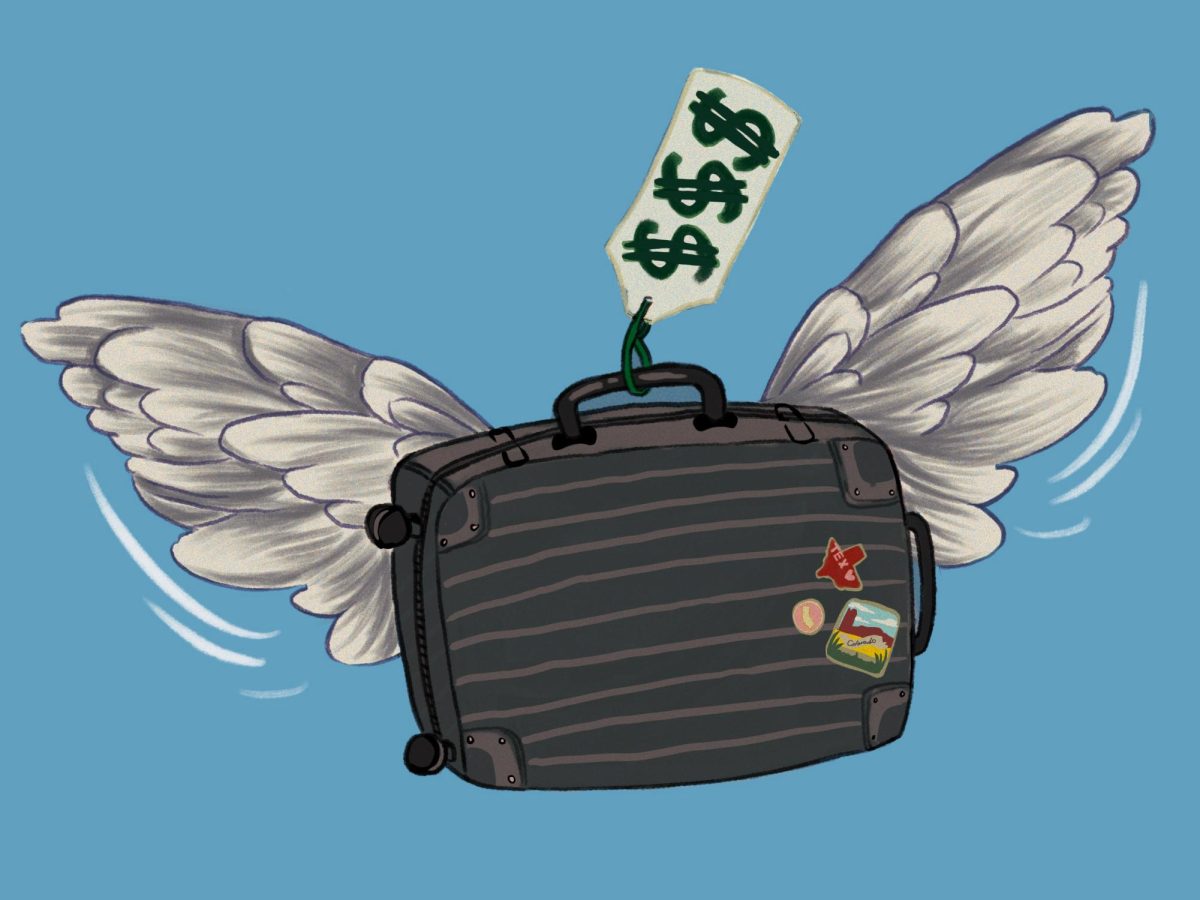




As summer approaches, many families are eager to hit the road, but the true cost of travel goes far beyond hotel, airline fare and attraction tickets. Fuel, airline baggage fees, seats and rising transportation costs are forcing travelers to plan more carefully than ever.
Jet fuel is one of the largest operating expenses for airlines. In recent months, fuel prices have risen because of global oil supply concerns, international conflicts, inflation, and increased travel demand after recent years of slower tourism. When fuel prices increase, airlines often pass those costs on to passengers through higher ticket prices and additional fees.
For many travelers, baggage fees have become another major financial burden. Most airlines now charge passengers for checked luggage, and several low-cost carriers even require travelers to pay for carry-on bags. While airlines advertise low ticket prices, customers frequently discover that the total cost becomes much higher after baggage and seat-selection fees are added now that passengers are able to choose from economy, business and first class a premium seating category has been added.
According to American Airlines Corporate website (aa.com) as of April 2026, major U.S. airlines, American, Delta, JetBlue, Southwest and United, have raised checked baggage fees by approximately $10 per bag, after the war in Iran, due to jet fuel prices going up. Domestic and first-checked bags now generally cost $45 (prepaid), while second-bag fees generally cost $55 (prepaid).
According to travel experts, a round-trip flight for a family of four can include more than $200 in baggage charges alone. These extra expenses can place significant pressure on family budgets during the busy summer vacation season.
As airfare rises, many passengers are changing the way they travel. Some are packing lighter to avoid paying checked-bag fees, while others are carefully comparing airline policies before booking flights. Travelers are also paying closer attention to hidden charges that may not appear in the original advertised fare.
Frequent flyers often use airline reward credit cards and loyalty programs to reduce travel expenses. These programs sometimes provide free checked bags or discounts on additional services. However, travelers without those benefits may still face expensive extra charges.
Travel blogger and columnist The Points Guy has repeatedly encouraged passengers to calculate all airline fees before purchasing tickets. He warns that a low base fare can quickly become expensive once baggage costs and seat-selection charges are included. Experts recommend that travelers review all airline policies carefully and focus on the total cost of flying rather than just the advertised price.
Airlines defend baggage fees by arguing that they help keep ticket prices lower and allow customers to pay only for the services they use. Still, many passengers believe the growing number of extra charges makes air travel more stressful and less affordable.
Despite rising costs, millions of Americans are still expected to fly this summer. Industry experts say travelers are becoming more cautious and budget-conscious as they search for affordable airfare and ways to avoid unnecessary fees.
Financial advisers recommend that passengers plan ahead by weighing luggage before arriving at the airport, reviewing baggage rules carefully, and comparing airlines before booking tickets. By preparing in advance, travelers may be able to avoid unexpected costs and better manage their vacation budgets.
As fuel prices continue to climb, airline passengers across the country are learning that the true cost of flying often extends far beyond the price shown on the ticket.