

















As college expenses continue to rise, many students are turning to thrift stores as a cheaper and more sustainable way to buy clothes. From everyday outfits to professional attire, secondhand stores are becoming a popular option for students trying to balance fashion with tight budgets.
Thrift stores offer clothing at much lower prices, allowing students to save money while still finding stylish items. A pair of jeans or a jacket that may cost more than $40 at a mall store can often be found for less than $10 at a thrift shop.
Most thrift stores receive their merchandise through donations from the community. People donate clothes, shoes, accessories, books, and household items they no longer use instead of throwing them away. Most people who donate do not receive payment for their items. Instead, donors may receive a receipt for tax purposes if the organization is a nonprofit.
Many people choose to donate because they want to support charities, help families in need, or give their clothes a second life instead of throwing them away. Donations help Thrift stores keep prices low for shoppers on limited budgets.
Some Thrift stores also receive unsold inventory from department stores or retail companies. After the donations arrive, employees and volunteers inspect the items to make sure they are clean and in good condition before placing them on shelves.
Stores then use different methods to decide prices. Employees usually examine the brand, condition, quality and demand for each item. Designer brands or nearly new clothing may cost slightly more, while older or more common items are sold for very low prices.
Many thrift stores use colored tags or weekly discount systems to make items even cheaper for customers. Because most items are donated, stores can keep prices affordable while still making money to support their operations or charitable programs.
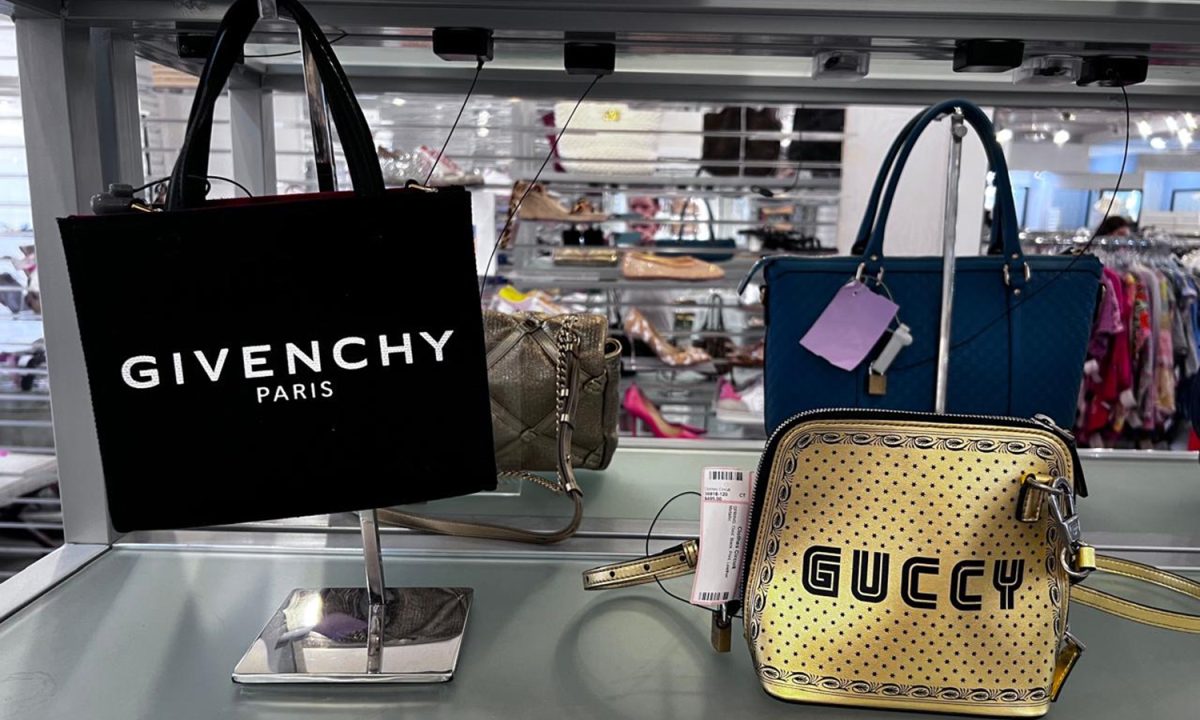
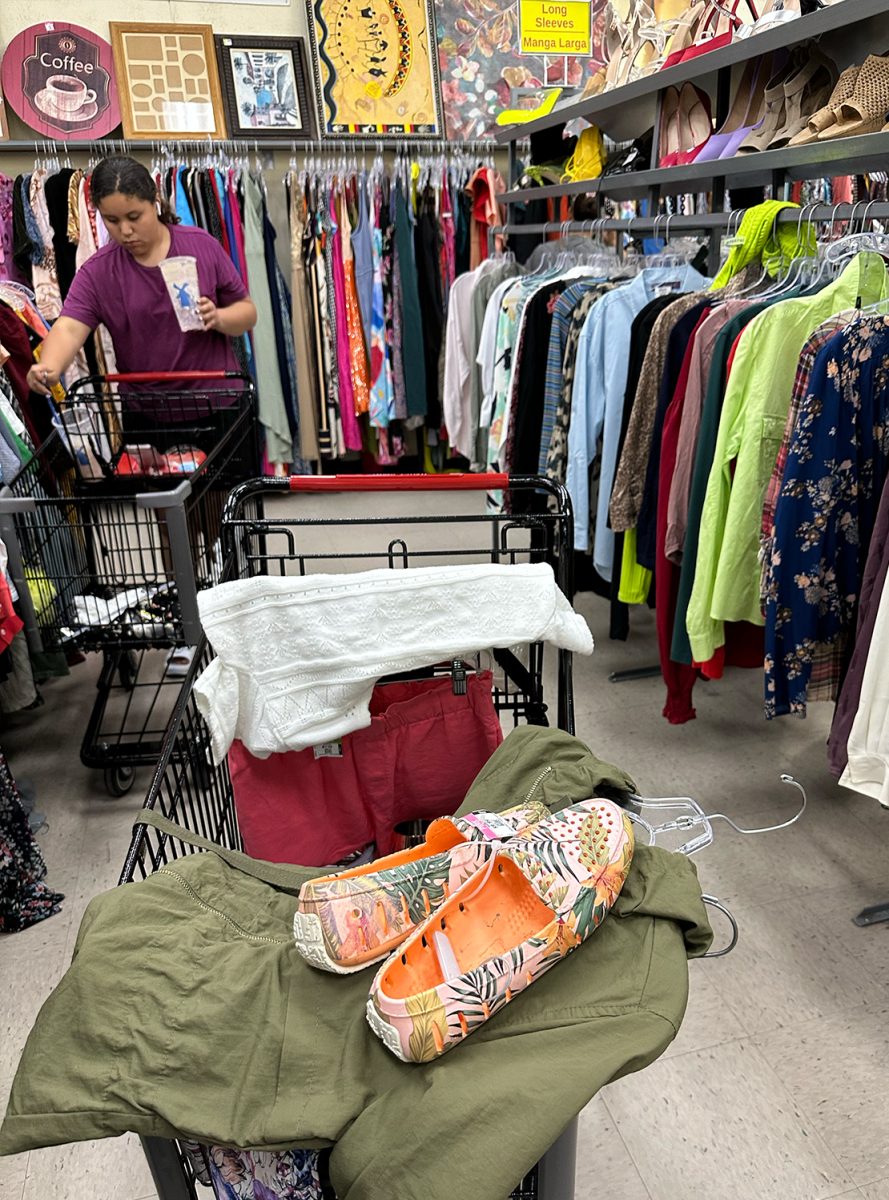
Besides saving money, Thrift stores help college students express their personal style. Unlike regular stores that often carry the same trends, Thrift shops offer a wide variety of vintage, casual and designer clothing.
Karla Garcia, an employee from Thrift Giant said “You may describe shopping at thrift stores as a ‘treasure hunt’ because the inventory changes constantly.”
Social media has increased the popularity of thrifting among young adults. Videos on TikTok and Instagram often show people finding fashionable outfits or designer brands at very low prices. These online trends have helped remove the idea that secondhand clothing is outdated or unfashionable.
Environmental concerns are another reason students choose thrift shopping. The fashion industry creates large amounts of waste each year, and buying secondhand clothing helps reduce the demand for fast fashion. Many students say they feel better reusing clothes instead of contributing to more waste in landfills.
“Thrifting is affordable and better for the environment, you save money and help reduce waste at the same time,” Garcia said. For everyday savings, they have specials according to the tag color.
Thrift Giant offers a Senior Discount Day on Tuesdays with 25% of full price items. Also, if you sign up for text messages, you will get 25% off coupon on your first purchase.
Another store, Texas Thrift, will have its official anniversary June 19 with a storewide 50% OFF sale for the summer holidays.
Thrift stores can also help students prepare for professional opportunities. Students looking for clothes for interviews, internships or presentations can often find business attire at low prices. This is especially helpful for students entering the workforce for the first time.
Although thrift shopping has many benefits, it also comes with challenges. Finding the right size or style may take extra time, and some stores have limited selections. However, many students believe the savings and unique finds make the experience worthwhile.
As living costs continue to increase, thrift stores are becoming more than just places to buy used clothing. They are now an important resource for college students looking to save money, support sustainability and create their own style without overspending.
For many students, thrift shopping proves that staying fashionable does not have to come with a high price tag.