








Texas Gov. Greg Abbott signed into law Senate Bill 2972 on Sept. 1, challenging the constitutional amendment protecting speech. The Dallas College Board of Trustees is reviewing the new law and determining how it will be implemented on its seven campuses.
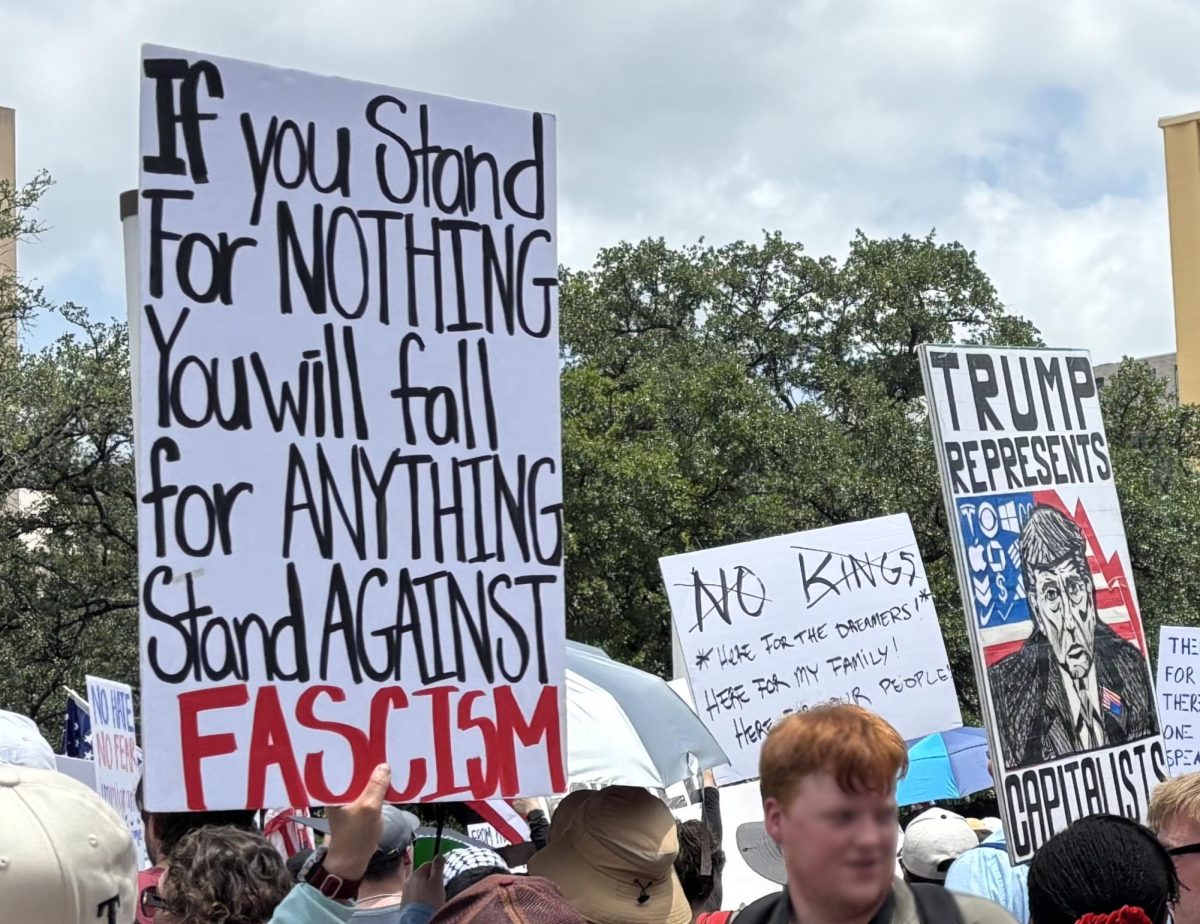
SB 2972 restricts activities on college campuses and “includes assemblies, protests, speeches, the distribution of written material, the carrying of signs and the circulation of petitions.”
Those restrictions include when and where individuals can demonstrate on college campuses, who can demonstrate; no inviting public or private speakers, no use of propulsive instruments and no use of amplified sounds from 10 p.m. to 8 a.m.
According to the Texas Legislature, the intent of the bill was to protect against disruption of the campus experience. The bill was written in response to actions on college campuses, specifically the Israeli-Gaza war.
Encampments and expressive activities by students and non-students took place on University of Texas campuses and nationwide. While the state law was in response to the University of Texas campuses, including the University of Texas at Dallas, it is baffling to me as to why our state senators don’t understand the outrage.
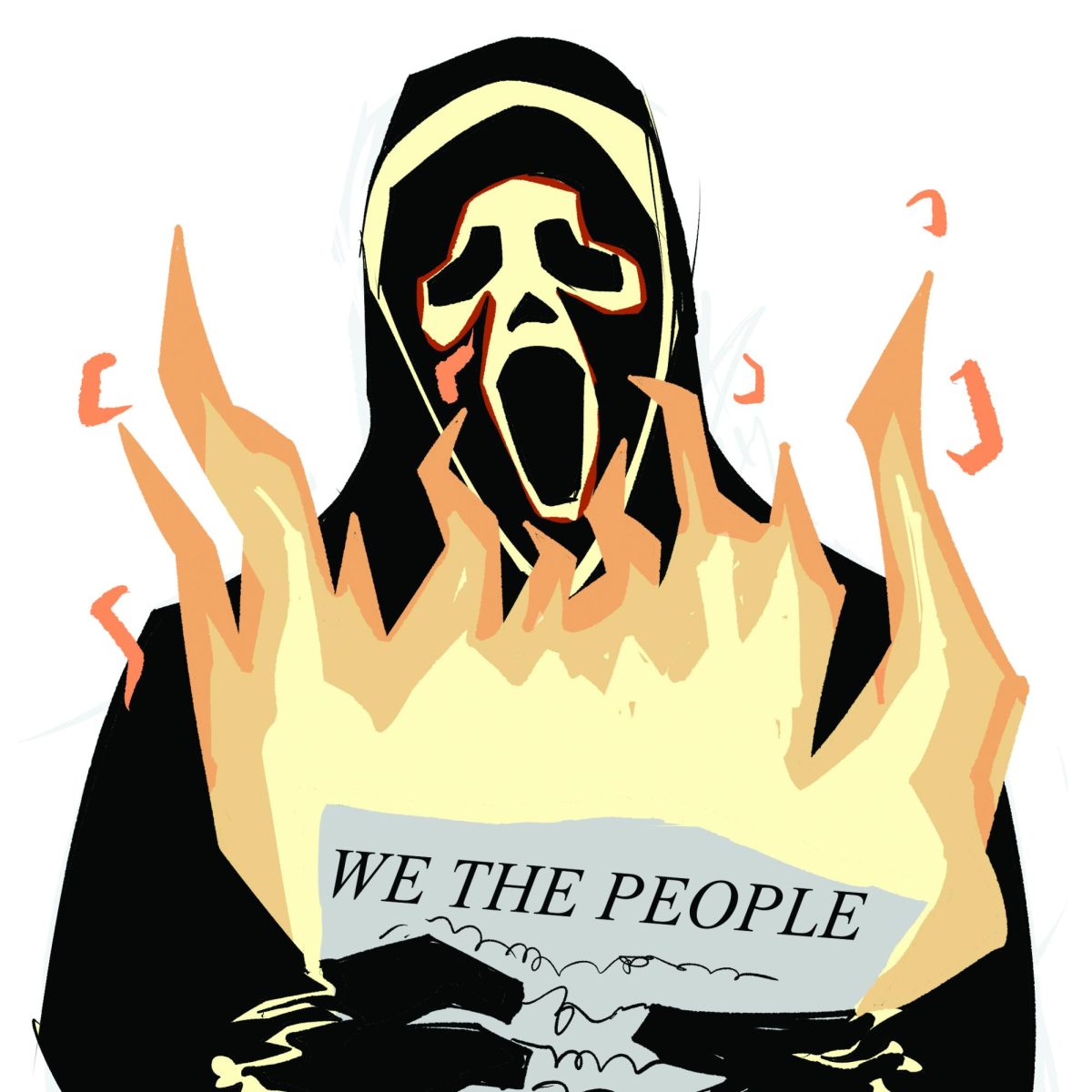
The Senate’s idea of “safety” appears to be the need to prohibit students, facility and the public from speaking their minds as protected under the First Amendment to the U.S. Constitution. That’s not safety, that’s oppression.
At the Nov. 4 meeting of the Dallas College Board of Trustees, Deputy General Counsel, Tricia Horatio explained how SB 2972 changed the law under SB 18. Effective in Sept. 2019 and adopted by Board of Trustees on Aug. 4, 2020, the requirements relating to speech and expressive activity had a more traditional view of college campuses, referred to as “the marketplace of ideas.” The bill allowed any students, faculty or person to engage in freedom of speech while in common outdoor areas of campus not used for academic or administrative purposes.
SB 18 did specify time, place or manner of such speech, deferring to the institution to develop those restrictions. Horatio and Dallas College General Counsel Robert Wendland, explained that the legislative response was similar to a pendulum, swinging from more expansive and traditional time, to now a much more restrictive view of expressive activities on college campuses.
At this point in Horatio’s presentation, I found myself screaming at Texas. “What the hell is going on?” Even the Foundation for Individual Rights and Expression (FIRE) was outraged and would go on to sue the UT system on behalf of a group of students, including a student newspaper group.
FIRE was basically arguing that SB 2972 violates both the students’ First Amendment and Fourteenth Amendment rights. It’s incredible that students would have to fight a law that shouldn’t exist in the first place. Hope still remains for students. Horatio mentioned in her presentation that this bill only applies to the UT system. The next meeting of the Board of Trustees is scheduled for Dec. 2.
Students should be aware, however, of their lawmakers’ decision to pass this bill into law and know their rights as American citizens.
The First Amendment to the U.S. Constitution states that, “Congress shall make no laws respecting an establishment of religion, or prohibiting the free exercise thereof; or abridging the freedom of speech, or of the press; or the right of the people peaceably to assemble, and to petition the Government for a redress of grievances.”
Students, remember your rights and do not be scared into silence.