















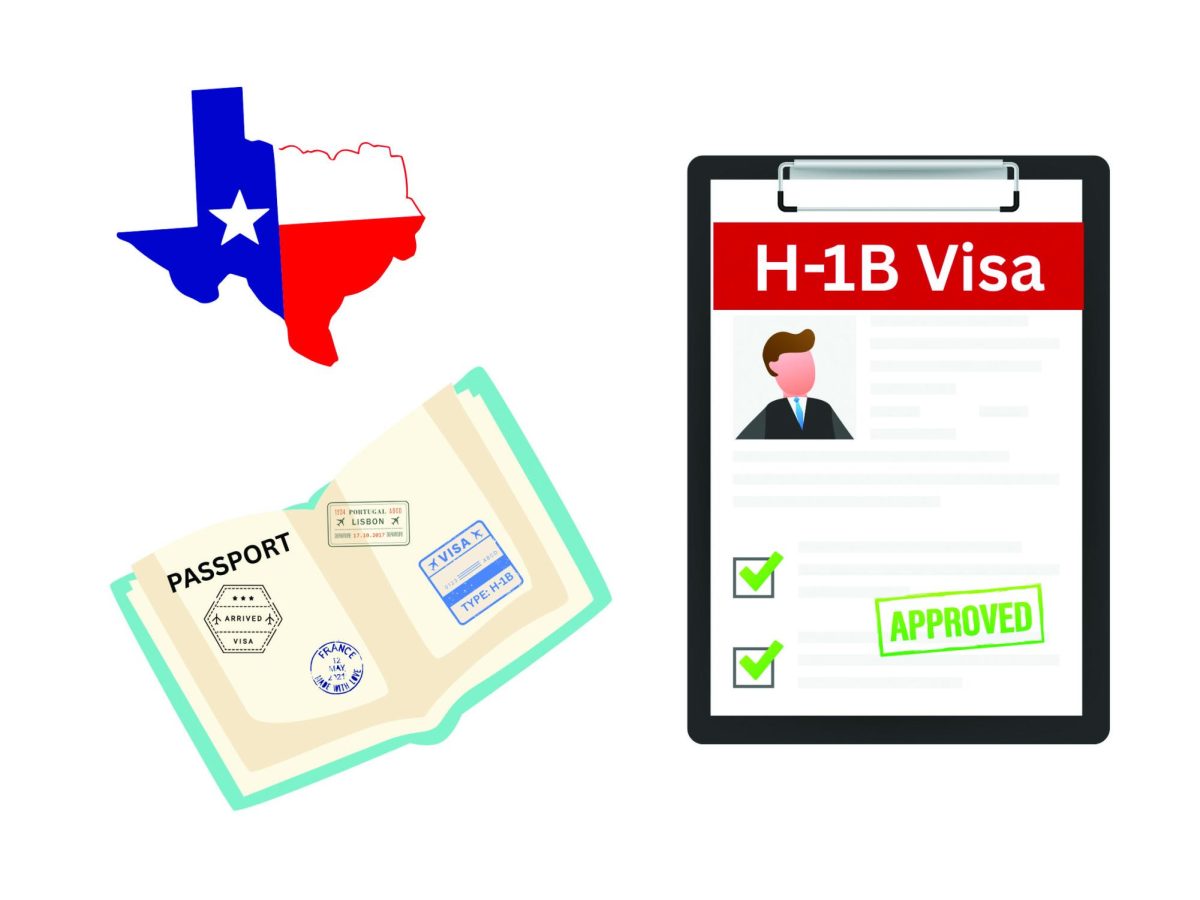
Recent changes to the H-1B visa could limit international students’ opportunities to work in Texas. The H-1B is a non-immigrant work visa that allows U.S. employers to temporarily hire foreign professionals in specialty occupations requiring specific skills and expertise.
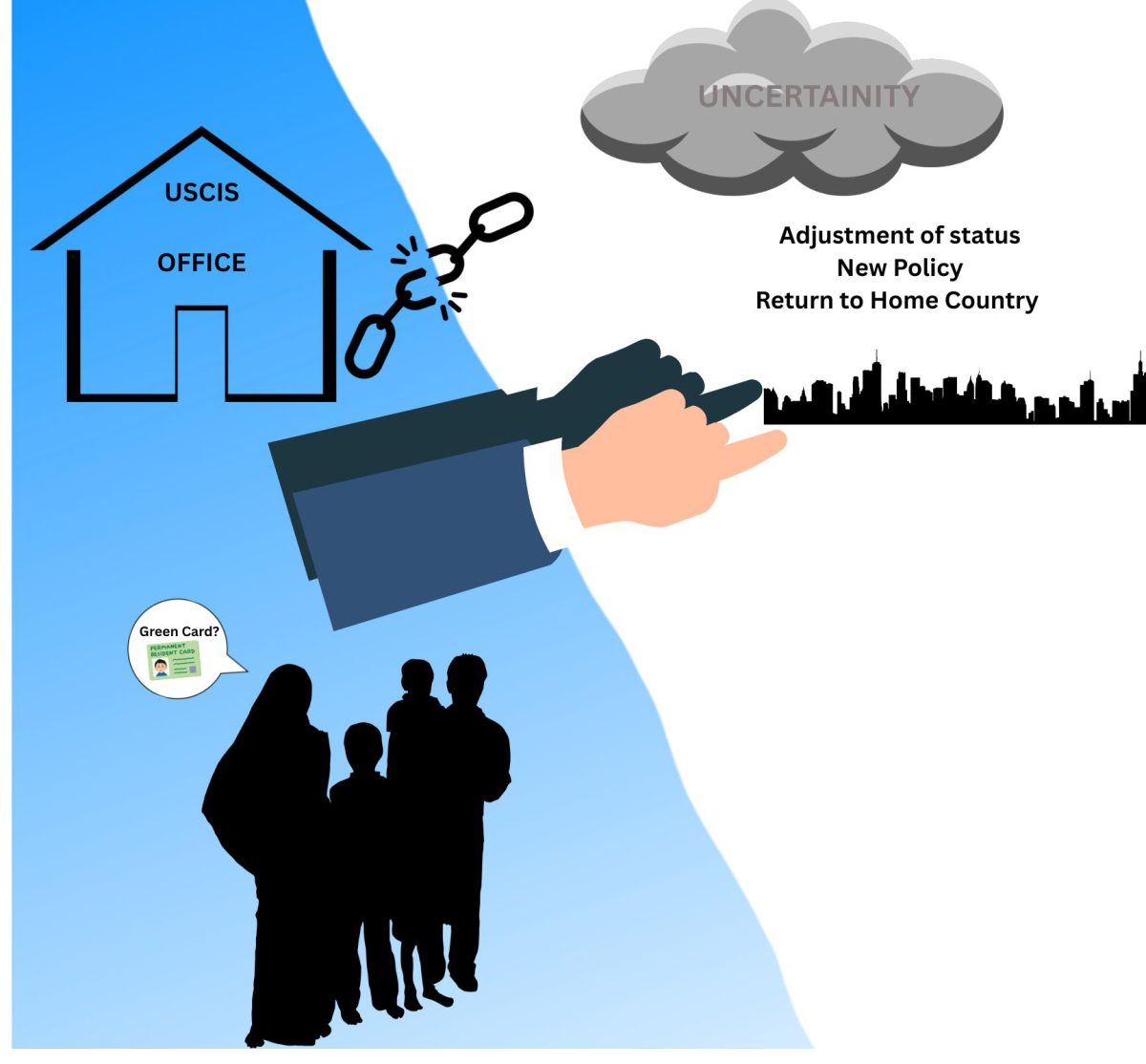
Under the new state policy, employers in Texas are unable to file H-1B petitions for nonimmigrant workers, including international students seeking a change of status. This decision will remain in effect through the end of the next legislative session on May 31, 2027, and impacts several sectors, including education, healthcare, banking, accounting and technology.
According to The Texas Tribune, the move targets employees who work in highly skilled technical professions and research fields. A limited number of positions are available to private companies by lottery. There are no restrictions on the number of applicants for public entities or universities, which make up a small portion of H-1B visa recipients in Texas. All applicants are subject to thousands of dollars in legal fees.
The H-1B freeze does not influence regulations surrounding internships for international students, which remain unchanged. H-1B visa and F1 visa are different pathways.
“CPT eligibility and OPT eligibility will remain the same,” said Juan Chilito, a designated school official at North Lake Campus.
Optional Practical Training (OPT) allows F-1 international students earning an associate degree to work temporarily in positions related to their field of study after graduation. Students may apply for OPT up to 90 days before or 60 days after graduating.
“OPT is for one year, typically. And during that period, students work under an EAD, which is the Employment Authorization Document, approved by the USCIS, and they can legally work in the United States for one year,” said Chilito.
“After the OPT ends, students have the option to leave the country or transfer out to a different institution. They have a 60-day grace period to do that, to transfer out, or to leave the country,” he said.
Curricular Practical Training (CPT), on the other hand, enables students to gain work experience directly tied to their academic program and for academic credit.
“For example, students who go through the nursing program, they have to do clinicals,” Chilito said. “So those clinicals, they are attached to a class. That’s why it’s called CPT; Curricular Practical Training.”
CPT and OPT are benefits for international students under the Student Exchange Visitor Program (SEVP).
“They are not meant to stay here and work. So, what can they do? Finish OPT or finish studies and then go back home because that is the idea of having F1 students in the U.S.,” Chilito said.
Federal immigration authorities regulate the F-1 program, including options such as OPT and CPT. But the state government can influence agencies like universities and hospitals.
“So, you know, this is not affecting the F1 process itself; it’s not affecting the F1 status. It’s just affecting the change of the status from F1 to H-1B,” he said.
The DSO oversees international students’ progress in the U.S. and ensures they remain in good standing to avoid termination of their status. Chilito added that DSOs are unable to further advise international students as to their legal standings in future scenarios.