

















With holiday travel and celebrations around the corner, Americans are feeling the pinch of the government shutdown. The Federal Aviation Administration has reduced air traffic by 10% in major U.S. cities, leaving travelers with longer lines and canceled flights. Meanwhile, food assistance programs like SNAP, which help millions of low-income Americans buy groceries, are now at risk of running out of funds.
Offices remain dark, paychecks frozen and millions of federal workers are waiting, all because Congress has failed to agree on how to spend money. As of Nov. 6, the government shutdown stretches into its 37th day and the effects are spreading far and wide.
“As I understand it the Democrats in the Senate are trying to get the Republicans, who are in the majority in the House and Senate, to extend subsidies for people to buy health insurance on the open market for the Affordable Care Act,” said Dr. Nathaniel Means, a history professor at North Lake. “What we do know is that health insurance costs for Americans continue to skyrocket. The U.S. spends more as a percentage of GDP on health care than any other modern, industrial, developed society. And so, this is an ongoing problem that this country has yet to contend with.”
On Oct. 1, the United States officially entered another government shutdown after lawmakers missed the deadline to pass new spending bills for the fiscal year. This means many offices, services and programs run by the federal government suddenly stop or slow down because there’s no approved funding to keep them going.
The House of Representatives and the Senate are required to approve how much funding each part of the government receives, but deep disagreements over budget priorities brought everything to a halt. Essential services like national security, air traffic control and hospital care for veterans continue to run, but millions of other operations from national parks to federal research programs are left hanging.
The shutdown’s impact reaches into nearly every part of daily life. Federal employees have either been told to stay home without pay or must keep working without pay because their jobs are considered essential. That includes airport security officers, military personnel and border patrol agents, who are still reporting for duty even as paychecks are delayed. Museums, research programs, and visitor centers at national parks have closed their doors. Students may also feel the effects, with possible delays in financial aid processing, internship programs and grants.
Dr. Michael Lachetta, a government professor, pointed out that the issue goes deeper than politics.
“Why does the federal government spend $7 trillion a year when it only gets $5 trillion in tax revenues?” He explained that over the years, U.S. debt has grown massively — from small surpluses under President Clinton to trillions in debt during later administrations.
“We’re at a point where we pay almost a trillion dollars a year just on interest on the debt,” he said. “This isn’t just about one party or another — it’s the system. The U.S. government is the biggest consumer in the world and it spends to keep the economy afloat. If the government stopped spending, the economy would collapse, not just here, but around the world.”
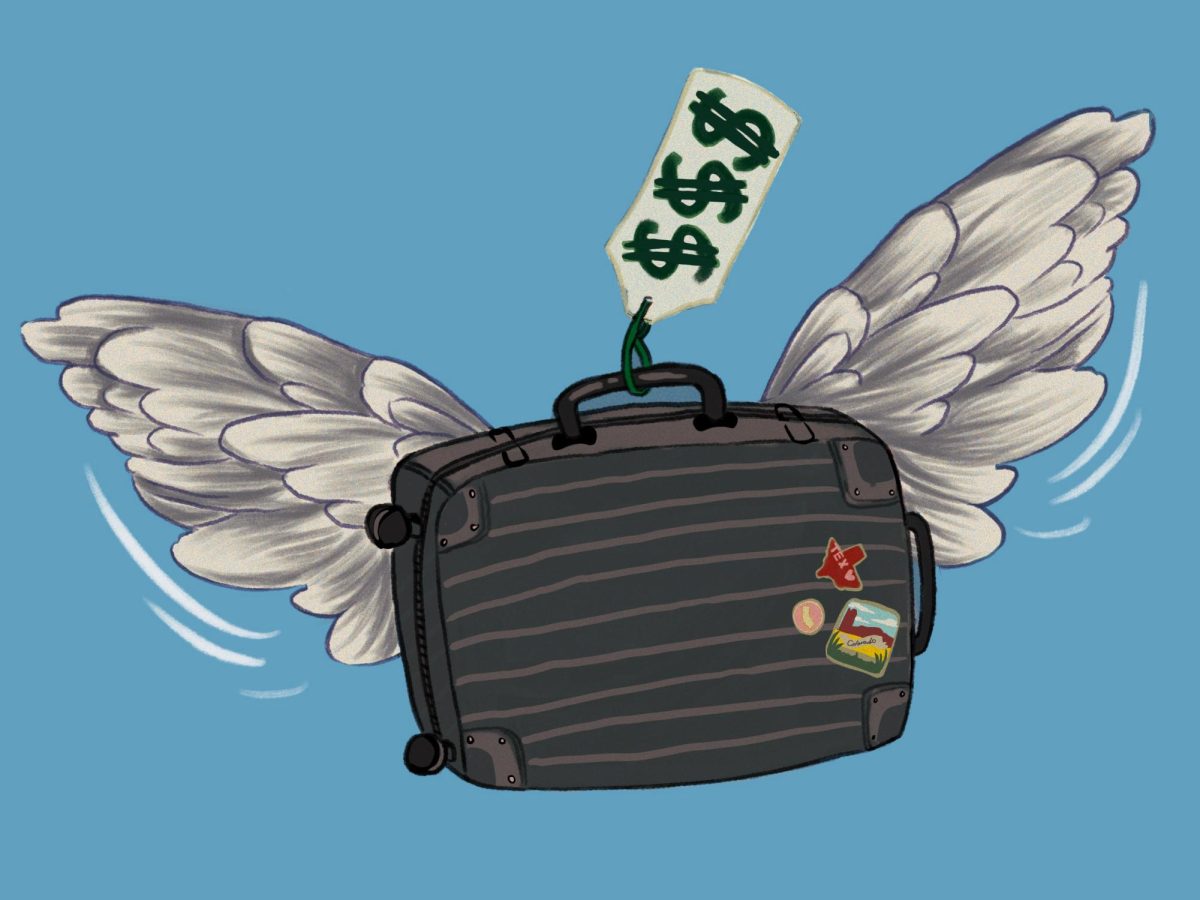
As Thanksgiving approaches, the shutdown is raising more questions about how Americans will manage during the busy holiday season. With air travel already reduced, families planning to reunite for the holidays could face major delays and higher prices. Others are worrying about their finances, as paychecks remain frozen and essential aid programs hang in uncertainty.
“The two key issues are the expiring health care benefits under the Affordable Care Act and the lack of agreement to extend them,” said history professor, Dr. Roy Vu. “For the Democrats in Congress, they want to extend the enrollment period so that millions of Americans who need to re-enroll would not be impacted. But as of now, the Republicans have yet to meet with the Democrats to negotiate.”
He said “[The shutdown] impacts government services in so many ways, not just at airports, but also national parks, hospitals, schools all those things.”
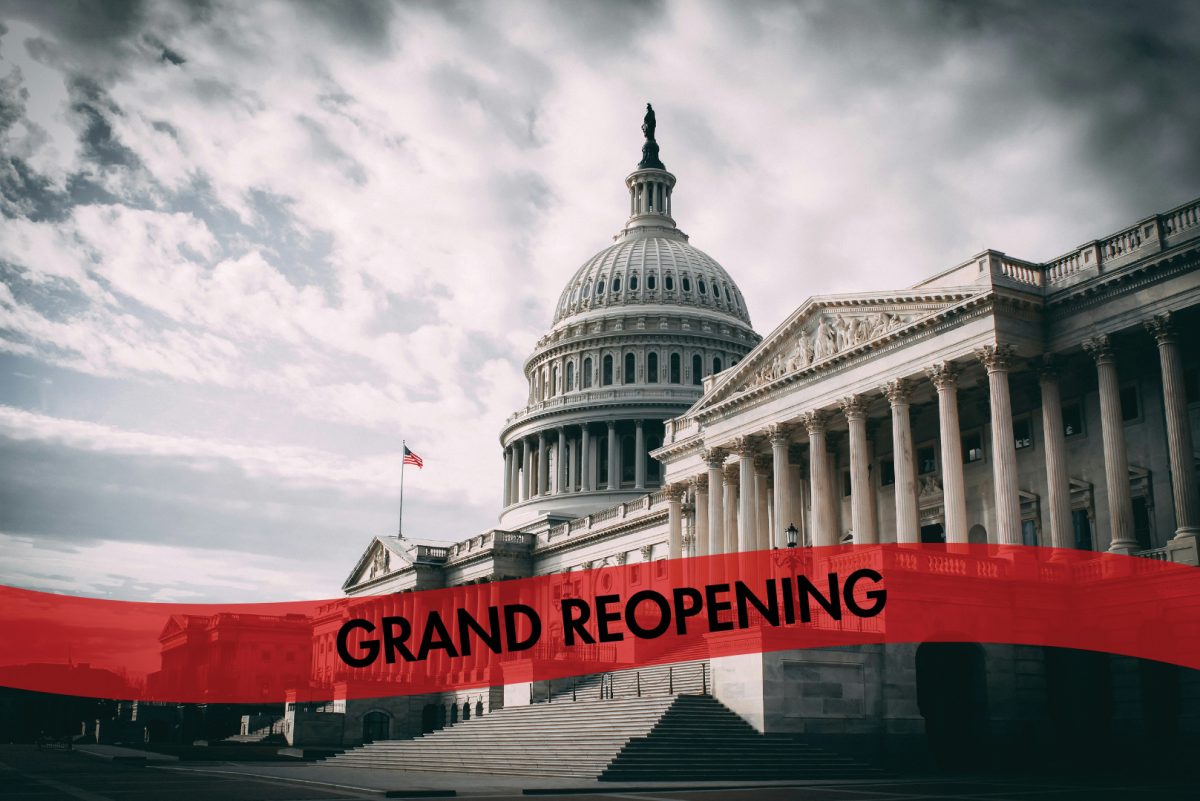
As of Nov. 6, Congress remains locked in a stalemate, with neither side willing to budge. Sixty votes are needed to reopen debate and reach a compromise. Until then, federal workers wait for paychecks, programs remain on hold and the rest of the country waits for Washington to press “play” again.
The shutdown is a reminder that politics aren’t just something happening far away in the capital. It affects paychecks, food programs, education and a lot more. For now, America’s government remains on pause, and the clock keeps ticking each day, costing more, not just in dollars, but in trust.