

A rare occurrence took place on Feb. 17. That’s when the cultural and religious observances of the Lunar New Year, Mardi Gras/ Lent and Ramadan coincided for the first time in 70 years. The holidays are governed by different lunar calendars and it is unusual for them to occur concurrently. The Hindi celebration of Holi also occurs in March, also under a different lunar calendar.
While each observance comes from a different faith or cultural background, the timing creates a rare overlap of celebration and reflection. For some, the season is marked by parades, music and public festivities. For others, it begins a month of fasting, prayer and spiritual discipline.
Many families gather for meals, exchange greetings and take part in customs passed down through generations. Although the meaning and practices of each holiday are distinct, they share common themes.
Renewal, community and hope are central to all three. Each observance, in its own way, marks a turning point, whether it is the start of a New Year, the beginning of a sacred season or a final celebration before a period of reflection.
The overlap serves as a reminder that even within one community, multiple traditions can unfold at the same time. As winter shifts toward spring, the calendar reflects a season filled with faith, culture and connection

Lunar New Year
The beat of drums and the crackle of firecrackers returned to Asia Times Square in Grand Prairie for their 19th Annual Lunar New Year Festival.
The Lunar New Year is one of the largest Asian cultural celebrations in the United States. Asia Times Square celebrated with a multi-weekend event drawing thousands of visitors to the region to celebrate the Year of the Fire Horse.
Located at 2625 West Pioneer Parkway in Arlington, the landmark Hong Kong Market was transformed from a premier shopping destination into a festival gathering place for the month of February.
For nearly two decades, the festival has served as the traditional cultural hub for the Asian community in Dallas–Fort Worth.
This year’s theme, the Year of the Fire Horse, represents a zodiac sign on the Asian calendar symbolizing the characteristics of strong energy and independence.
Like a horse that can run straight forward and fire that is passionate, the attributes are said to influence those born under the sign.
Organizers say the Fire Horse aligns perfectly with the community.
Asia Times Square brings together communities throughout North Texas.
The Lunar New Year celebrations spanned three consecutive weekends and offered a continuous mix of New Year’s spectacle and community art.
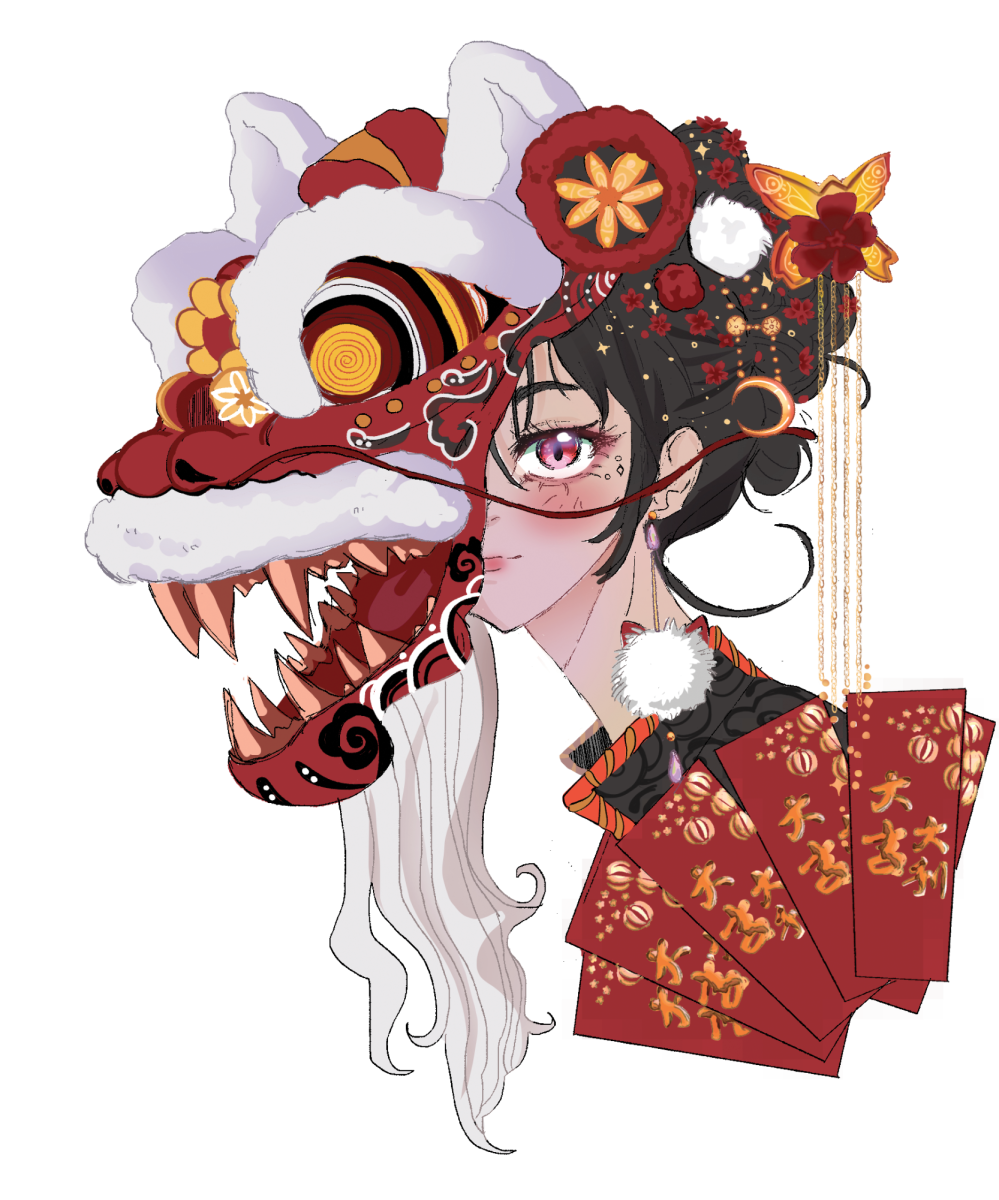
Traditional lion and dragon dances with the drums are performed throughout the plaza to bring luck and prosperity for the New Year.
The night market features street vendors offering everything from authentic regional delicacies to handcrafted decorations.
It is unusual to see vendors barbecuing squid in the hallway.
On the main stage, a cultural showcase offers performances for the community to enjoy. There is live music, K-pop dancing and more traditional dance performances.
While the festivities officially began with a formal ticketed Opening Ceremony Banquet on Feb. 6, admission and parking were free.

The event stands as one of the most accessible large-scale cultural gatherings in the region.
Beyond the outdoor performances, visitors were encouraged to explore the traditional shops and eateries in Asia Times Square.
The event attracted people from many backgrounds and offered a deep dive into the flavors and cultures of the local Asian-American community.
This year’s theme centers on the Fire Horse, which represents speed and independence. The fire element adds passion and urgency.
Together, they create a high-octane year focused on movement, transformation and bold action.
People born under this sign are often described as charismatic, adventurous and very motivated.
While talented and optimistic, they can also be impulsive and stubborn, or aggressive
The combination of fire and horse elements means that people who are born this year have strong personalities and that makes it special.
This combination of elements only occurs every 60 years.

Ramadan
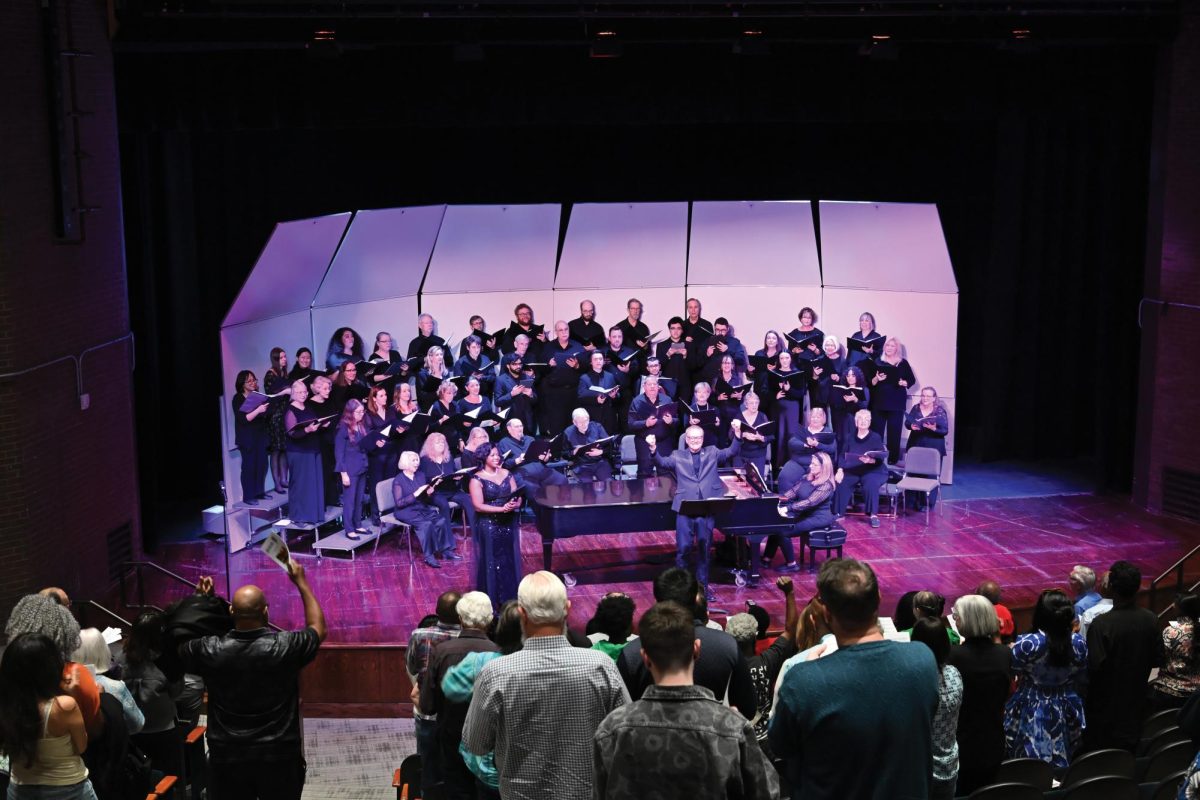
Whispers flow from peoples’ mouths in silent prayer as they sit in groups around plates containing a small mound of dates, a small foam bowl of assorted fruits and a collection of water bottles in a small pattern. Their eyes flicker towards the small feast, but no one dares to touch them, at least not yet.
They continue their prayers until finally, a mic is tapped, once, twice, and the Imam starts to speak. “Allahu Akbar, Allahu Akbar,” and as the call to prayer continues, the sound of a hundred water bottles opening fills the room as people take their first sip of water since dawn.
Every year, the month of Ramadan comes along. It is significant for several reasons, but according to Ustadh Omar Malik, a youth leader in Irving with the Islamic Center of Coppell, “The revelation of the Quran started in the month of Ramadan so pretty much, the prophet Muhammad (PBUH), final messenger of God, received revelations in Ramadan and throughout his life.”
Typically, for adherents of the faith, this month means fasting from dawn till sunset with no eating or drinking between. For Muslims this is not a punishment, but a way to purify oneself and to devote their time to Allah (SWT).
According to Malik, there are other obligations besides fasting during Ramadan. “A big aspect of Ramadan is the recitation of the Quran, which in itself is a miracle in Islam, a book that is preserved from day one through the memory of thousands.”
This is a tradition that began around 600 A.D and continues today. Muslims use the lunar calendar, so instead of Ramadan starting during a specific month, it starts during a new moon.
Muslim students at North Lake Campus celebrate Ramadan in their own ways. “There’s a lot to love about Ramadan, but my personal favorite aspect is the fasting. It’s a very humbling experience- no matter what age, race, or status you are, you’ll hunger throughout the day for the sake of your Lord. It seems like not much on the surface, but it’s a really deep, spiritual act,” said Emaad Khan, a North Lake student. “It’s important by acting as a sort of restart point. We are human. We make mistakes. And Ramadan is the chance given to you to remedy that. You have the ability to, if you so desire, completely revitalize your actions and practices towards your beliefs. It’s a very powerful time, and nobody should pass up the chance to participate.”
It’s solid reason for Muslims, and even non-Muslims, to take part in Ramadan and experience the impact of fasting.
“So, for non-Muslims, when they fast, they will still benefit because once the needs of the body are put the side for a little bit, they start thinking about a bigger purpose in life,” Malik said.
Another crucial part of Ramadan is Eid-al-Fitr, essentially a post-Ramadan celebration filled with food, family and fun. According to Malik, Eid Al Fitr is “a culmination of the month of Ramadan.”
“Once we have completed our fasting for either 29 or 30 days based on the lunar calendar, we then celebrate what is called Eid. And the idea of Eid is to share the benefits of Ramadan and have a good time with your family,” he said.
Eid-al-Fitr is one of two Muslim holidays always looked forward to by Muslims around the world. When asked if Khan was ready for Eid he said, “very ready.”
“I got the six days beforehand off from work, so I will be very ready to enjoy the whole day,” Khan said.
Ramadan and Eid-Al-Fitr are two of the most significant times in the Muslim world. An appropriate greeting for Muslims on Eid-Al-Fitr is to wish them an “Eid Mubarak” or “blessed holiday.”

Holi
Every year, millions of people across India and around the world celebrate Holi, the festival of colors. Holi is a time for joy, forgiveness and fresh starts. It is a Hindu spring festival celebrated each year in March.
The timing of the festival follows the lunar calendar and falls on the full moon day of the month of Phalguna, which usually lands in late February or March that is the 12th and final month of the Hindu lunar calendar.
The festival celebrates the arrival of spring and the sense of renewal that comes with it. As winter fades and temperatures begin to rise, Holi offers an opportunity to gather outdoors and welcome a change in season. The ideas of positivity, forgiveness and fresh starts are closely tied to the celebration.
Holi begins the night before the main festivities with a traditional gathering known as Holika Dahan. Communities light a bonfire to symbolize the triumph of good over evil. Families and friends often come together for prayers, conversation and reflection. The fire represents letting go of negativity and looking ahead with hope. While the tradition has r e ligious roots, many people also view it as a meaningful community moment that brings neighbors together.
The following day is the most widely recognized part of Holi. People gather in open spaces such as streets, courtyards and parks to throw brightly colored powders, called gulal, and s p l a s h water on one another. T h e air quickly fills with shades of pink, yellow, blue and green. Participants often wear white clothing, so the colors stand out more clearly.
The atmosphere is lively and playful. Music plays in the background and children run through crowds with water balloons. The act of sharing color is meant to break down barriers and encourage a sense of equality. On Holi, social differences are set aside and everyone joins in the same celebration.
Food is also an important part of the day. Families prepare traditional sweets and snacks to share with guests. Popular treats include gujiya, a sweet pastry filled with dried fruits and nuts, along with other festive dishes. Visiting relatives and exchanging food strengthens bonds and adds to the spirit of hospitality.
Although Holi is rooted in Hindu tradition, it is widely celebrated as a cultural festival that extends beyond religious practice. As spring begins, Holi offers a reminder that spring is a season of change. With its bright colors and lively atmosphere, the festival encourages people to step outside, connect with others and welcome new beginnings

Mardi gras
Mardi Gras is an annual spring celebration that extends from Kings Day, Jan. 6 to Fat Tuesday on the Christian calendar. The celebratory season leads up to Ash Wednesday which introduces Lent, a period of abstainment that continues to Easter.
Mardi Gras celebrations in Oak Cliff brightened the neighborhood on Feb. 15, with lively colors, music and community energy. Organized by Go Oak Cliff, the event featured an energetic parade that started at 1 p.m., beginning at the bistro, Nova, down Davis Street to the Bishop Arts district before ending at Gloria’s restaurant.
Adorned with strands of warm-colored beads, attendees showcased their personal style through a blend of historical traditions, cultural expression and playful Mardi Gras customs.
“We have a parade. Everybody has fun out here. The community loves each other, and we support each other,” said Michael Castillio, a longtime Oak Cliff resident.
Mardi Gras, French for “Fat Tuesday,” extends beyond its religious roots in Oak Cliff. “It’s just a fun, jovial, cheerful thing where we all come together as a group,” said Robert Ramirez, an Oak Cliff resident. It doesn’t matter gender, or otherwise. It’s just like a big love fest,” he said.
The event has grown steadily this year, drawing visitors from across the Dallas-Fort Worth area. “This parade this year is probably the biggest and longest,” he said. “So, it seems like it just keeps growing,” Ramirez said.
The celebration reflected the cultural diversity of the neighborhood, including Mexican, White, and African American cultures, along with participation by area schools and businesses all joining together in a vibrant showcase of the Oak Cliff’s unity and richness.
Mardi Gras in Oak Cliff has been a long-standing annual tradition in the neighborhood, featuring a parade with local high schools, marching bands, and small businesses creating floats.
As the upcoming World Cup approaches, Oak Cliff is positioning itself as a lively destination for fans looking to gather, celebrate, and enjoy the atmosphere. “From June, Oak Cliff is going to be crazy because this is the vibe you get right here,” Ramirez said.