






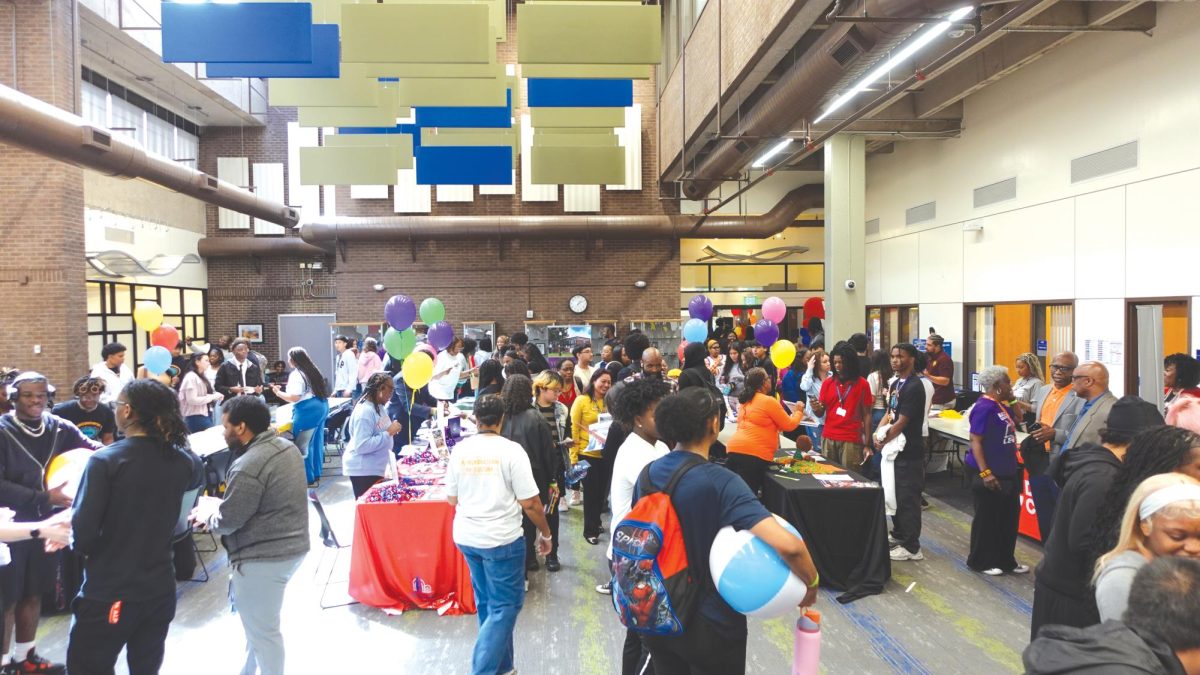
February is known nationally as Black History Month. To acknowledge the month-long celebration, North Lake Campus hosted a Historically Black Colleges and Universities (HBCU) Transfer Fair and presentation on Feb. 25.
“Our students and our ancestors are black and brown people. They weren’t always allowed education higher than middle school or high school,” said Joshua Ashton an honors business management student at Paul Quinn College who lead the presentation from the stage of the performance hall. “So now they’ve paved the way. So now we get to, our black and brown people, we get to go to college. We get to further our education.”
He added that master’s degrees and doctorates are now commonplace among people of color, when that wasn’t always the case.
“So, I feel like now it’s just amazing to see that how the world is progressing for what our ancestors did back in the day,” Ashton said.
The fair included representatives from different HBCUs from around the United States, including Paul Quinn College in Dallas and Prairie View A&M, northwest of Houston.
“Historically Black Colleges and Universities are something that’s very significant to this entire nation,” said Sean Guinyard, North Lake Campus’ intercultural and global student engagement coordinator. “So that’s something to keep in mind for you all as students.
Guinyard went on to mention the history of HBCU’s and the things that made their existence possible.
“If it wasn’t for the Morrill Act of 1890 HBCUs truly would not exist. You wouldn’t see these types of institutions,” said Guinyard.
The Morrill Act of 1862 provided federal funds to land-grant colleges such as Texas A&M. In 1890, the bill was used to establish the first college designed specifically for Black people, Cheyney University of Pennsylvania in 1837. Many more opportunities followed.
Another thing that was highlighted in his presentation was the way HBCUs prioritize their students and really invest in their future, in ways that aren’t often seen at other four-year universities.
“Whatever it is that you truly desire, if you go to HBCU, you’re held accountable to fulfill that dream that you choose,” said Guinyard.
This sentiment was echoed by North Lake Campus President Dr. Rick Smith.
“One of the things that I’m real passionate about with community colleges and HBCUs is we share a common DNA. So, we’re kind of like siblings, brothers and sisters,” he said. “So that DNA is we have a common mission. And that theme is, we meet students where they are. No matter where you are in your academic journey. No matter where you are in life. We will embrace you. [We] will help you along the way.”
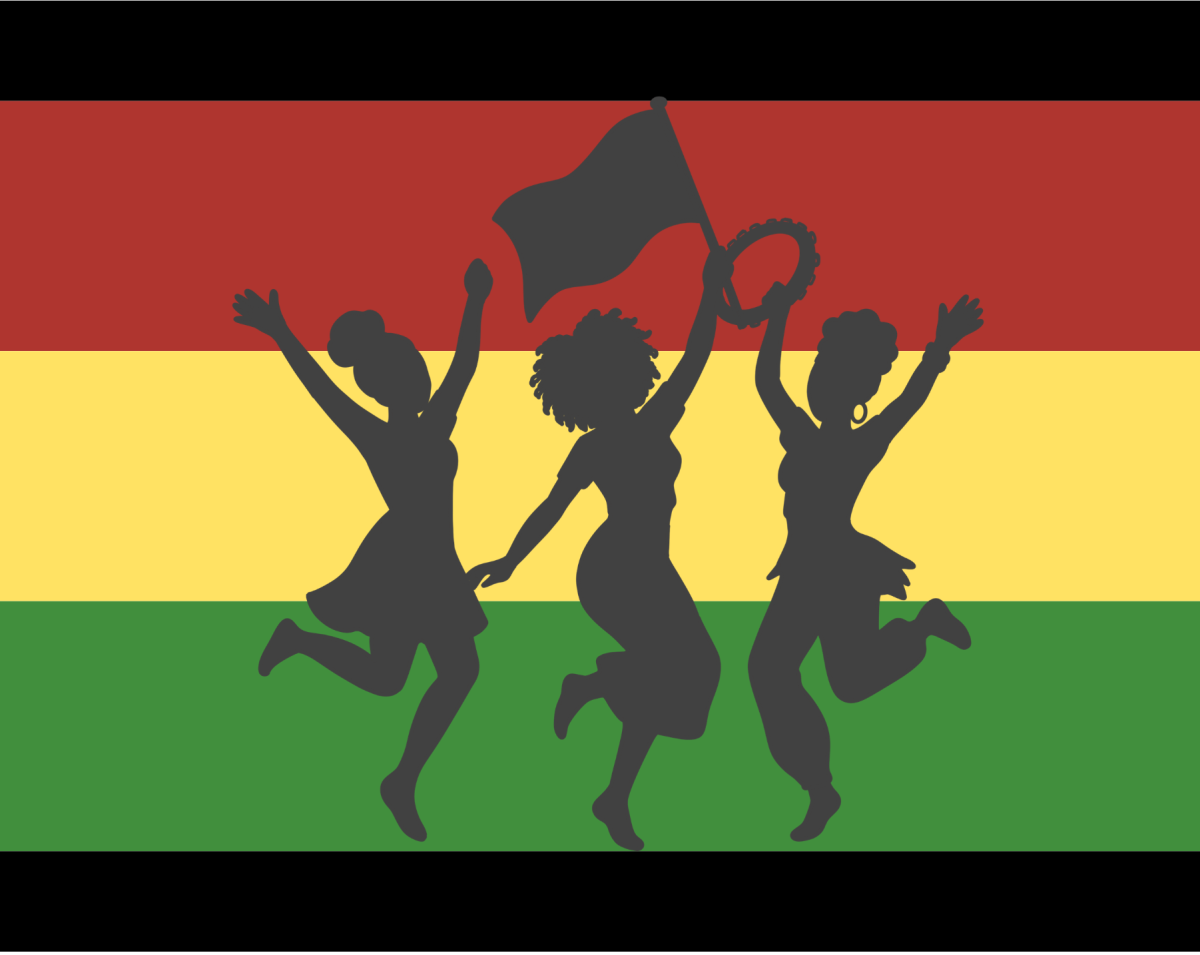
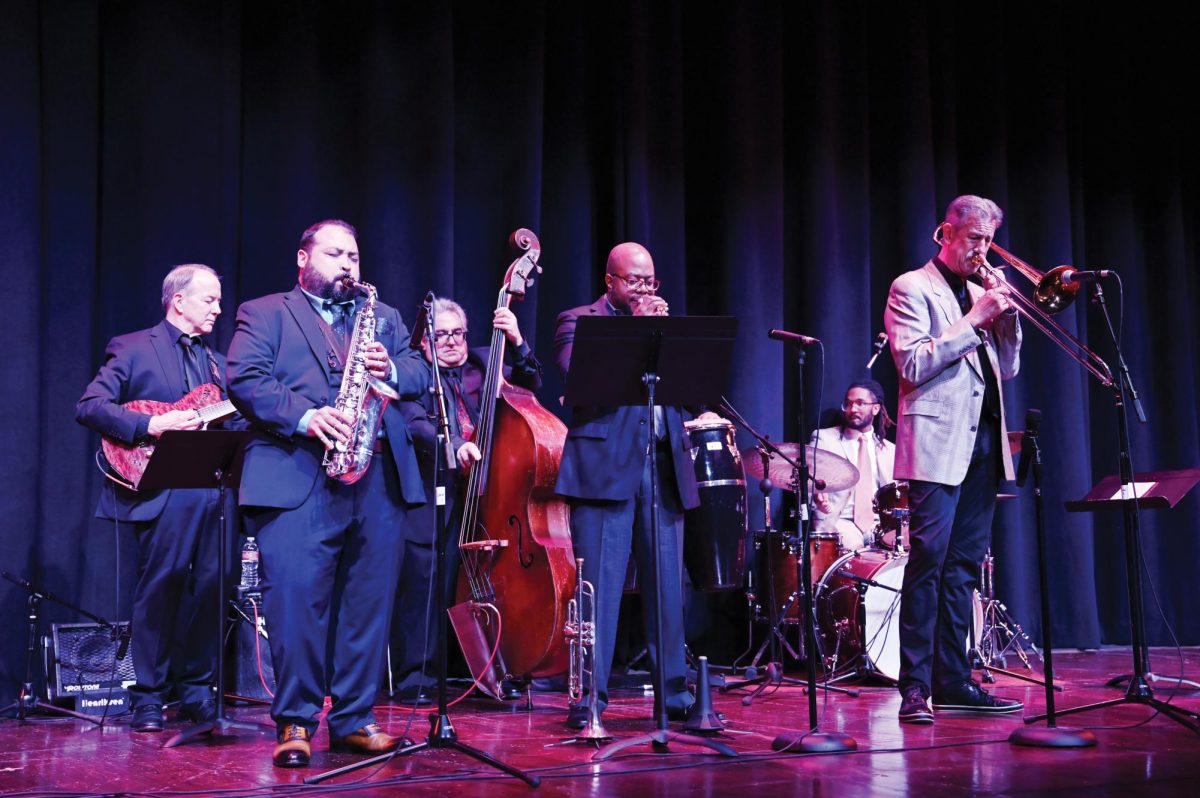
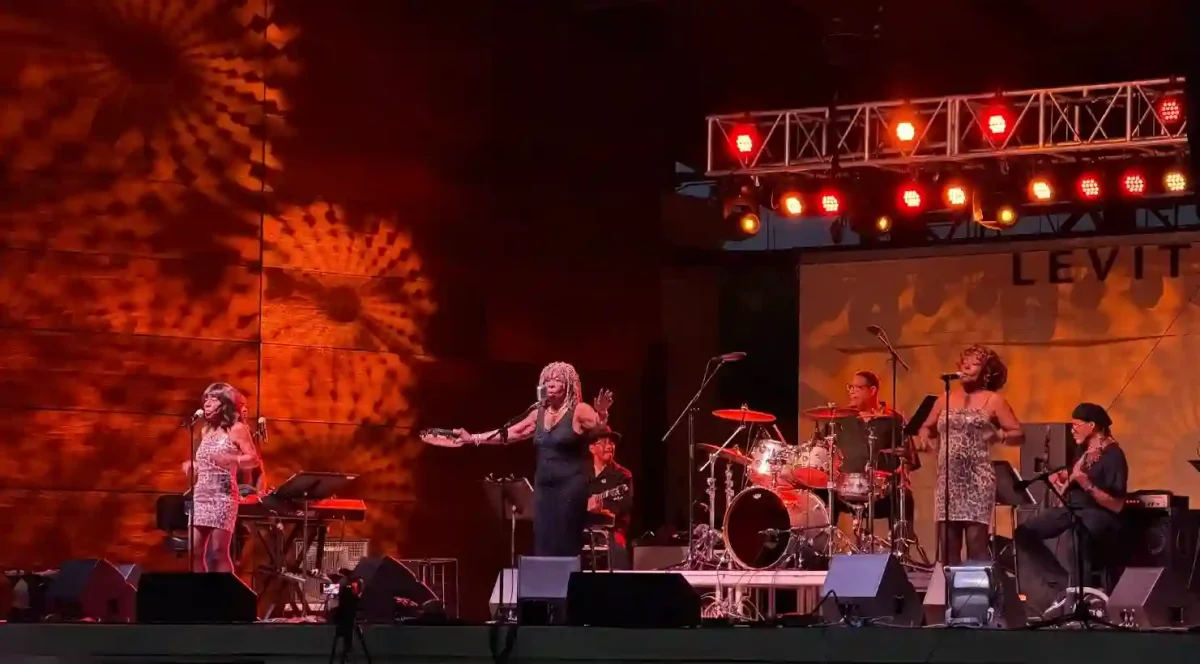
In addition to highlighting HBCUs, the event was a celebration of Black history and Black culture. There was food, music and even performances.
The Dallas Black Dance Theater performed a piece that explored the evolution of black music and dance from slavery through the 1940s.
“This piece specifically reflects on deep belief and importance of celebrating where and how dance has evolved within Black culture,” said Jaylynn West, coordinator of intercultural student engagement at Dallas College. “Much of today’s social dance is rooted in this history.”
The event not only allowed students to learn about the HBCUs that they could transfer to when their time at North Lake Campus is done, it also served as a celebration of Black history, culture and perseverance through trials.