
In a world where advanced technology and mankind grow more tightly linked, Artificial Intelligence (AI) holds a greater significance in everyone’s lives, whether directly or indirectly. Depending on the industry, AI has already been incorporated into the workplace.
In some of the creative fields, people are using AI to assist with their work, however, due to the continuous work on AI models, the accuracy of the results does not always satisfy the needs of these projects. Video technology shows some examples of how this plays out in their field.
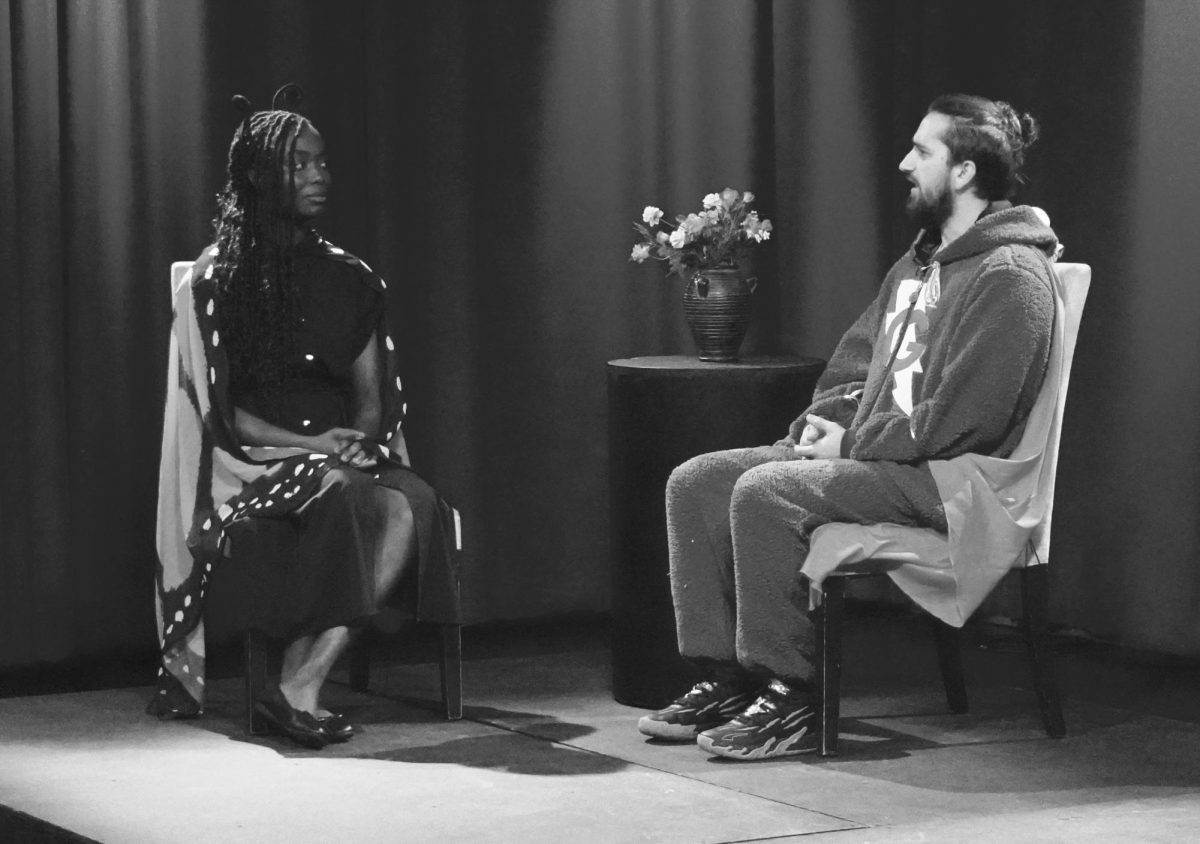
“A place where it could have a pretty big effect is maybe in the area of effects and maybe digital matte painting, even though I think it’s limited so far because AI really can’t do continuity yet,” said Prof. Adrian Neely, a video technology instructor at North Lake. “And a lot of those things have to be pretty much the same every time. Every time you see them, there can’t be this weird little thing that’s different that wasn’t there before.”
In theater, some glitches in AI appear during the planning stages of their work.
“I know Photoshop, which is one of the programs that we use to design on, has AI built into it. But the AI images it comes up with aren’t great. So, we don’t really use it to design with yet in costuming, because it’s just not smart enough to do the things we want it to do,” said Angie Malone, a full-time costume faculty member who is working in the theater department.
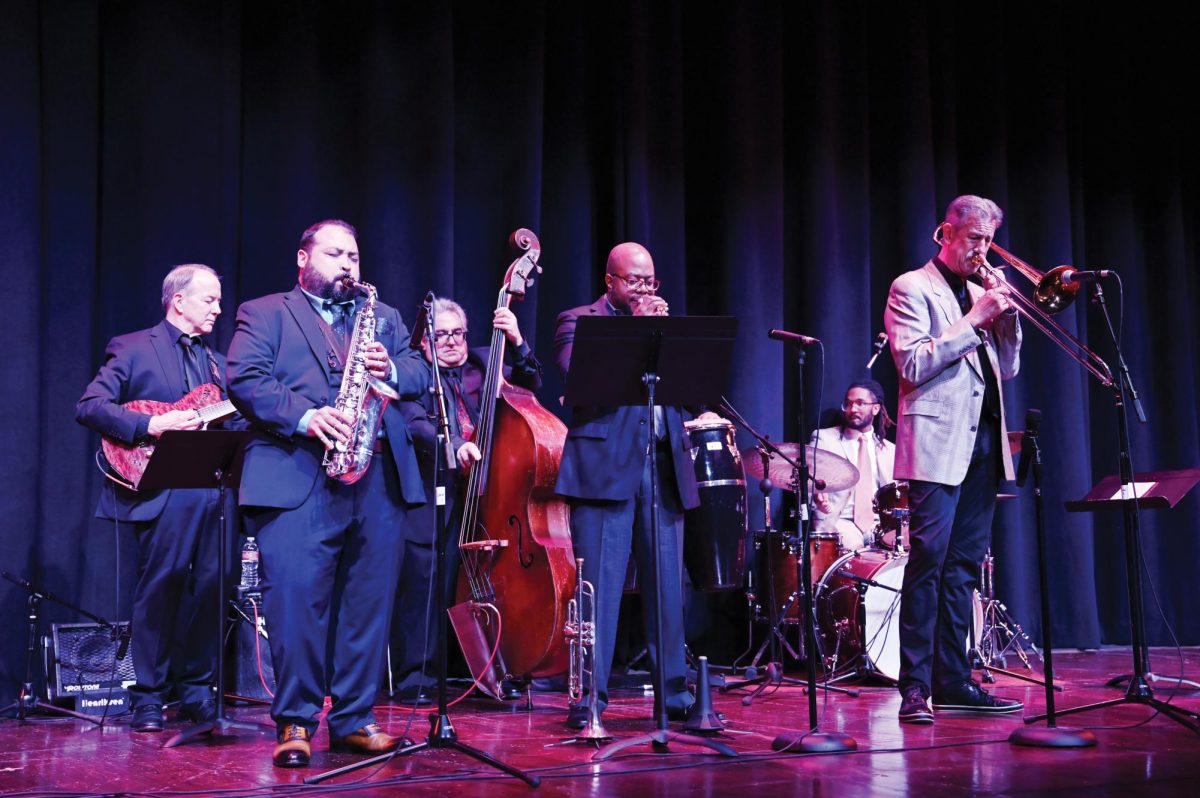
For musicians, the problem is similar. “I think right now you still need somebody to watch because not everything that comes out looks great,” said Dr. Luis Palacios, the director of jazz instrumental music at North Lake. “Somebody’s there still behind the scenes editing and making sure there aren’t ten fingers, or in music, there isn’t an extra weird thing happening. Maybe overtime that won’t be a thing.”
Because AI has a hand in almost every industry today, some are concerned with the issue of jobs being replaced. Professors in some creative fields, however, do not have the same concerns.
“I don’t think it’ll replace too much in film production,” Neely said. “It could replace some people, but I think, for one thing, film production in a lot of ways is still an art. And art technically isn’t necessary. People just like it, and I think they like it because there’s a human element to it. There won’t be such a rush to replace the people part of it. There’ll always be a need to create.”
The effect of the human touch remains a common topic when discussing the use of AI.
“I know that there’s a lot of talk about replacing costume designers and set designers with AI,” Malone said. “But it just doesn’t quite work out yet because AI is not smart enough to make a lot of connections that actual humans are. So, it’s just not advanced enough because it’s only really sourcing the internet for images that already exist and smashing them together.”
In comparison, Palacios believes that some musicians will face the challenge of having to show that their work is still valuable amidst the changes with AI.
“I think the very real fact of it, almost every industry has to figure out a way to still make themselves valuable. I think we’re still going to be very creative. You’re still going to have the composers, still going to have the musicians that perform that are very high level. But it’s that in-between sector, the ones who just create a little bit, they’re the ones that have to worry how to make themselves still valuable,” Palacios said.
Since AI has affected everyone in one form or another, the advantages and disadvantages of its usage have been brought up and weighed many times.
“We live in an ‘instant gratification’ society and AI platforms can generate answers in minimal time,” said Prof. Myha Nguyen, an English professor at North Lake. “The advantages include quick answers with somewhat-to-mostly reliable information, however, responses are often topical and general. We sacrifice the longer journey of reaching the destination; it’s like flying in an airplane instead of taking a road trip and stopping at all of the cool landmarks. Disadvantages also include the fallout of integrity and human authenticity in writing.”
Amidst all the changes in many fields, there are various approaches that one can take as AI becomes a more prominent part of everyone’s lives.
“I think people are so anxious to replace something or kill something or say, oh, this isn’t the thing anymore,” Neely said. “And I think a lot of people are better off if you look [at it like] another tool. It’s another thing we can use. But just like anything else, overuse or over dependence on that thing will probably do more harm than good.”
Similarly, Palacios discusses how AI can be tricky to work with, in regard to our manner of learning. “For students, what they have to think about, especially as they’re going online learning, is to take the time to still learn the things that are important,” Palacios said. “Because that very basic thing that slowly and slowly AI can do for you will make it so you don’t learn the fundamentals you need to be creative.”