













The FIFA World Cup 2026 is arriving with numbers so big they almost stop sounding real. Hosted in 16 different cities across the United States, Canada and Mexico, the 2026 FIFA World Cup is being promoted as the biggest and most ambitious edition FIFA has ever organized.
FIFA’s own socioeconomic impact report projects 6.5 million stadium attendees, $13.9 billion in total event-related spending and an estimated $80.1 billion in global economic output tied to the tournament. The United States alone is expected to see $11.1 billion in spending, $30.5 billion in gross output, and about 185,000 full-time-equivalent jobs, along with $3.4 billion in government tax revenue.
North Texas will be at the center of it all. AT&T Stadium in Arlington, which will be called “Dallas Stadium” during the World Cup, is scheduled to host nine matches, which is the most amongst all venues in the tournament. That makes Dallas–Fort Worth one of the most visible host cities in the world.
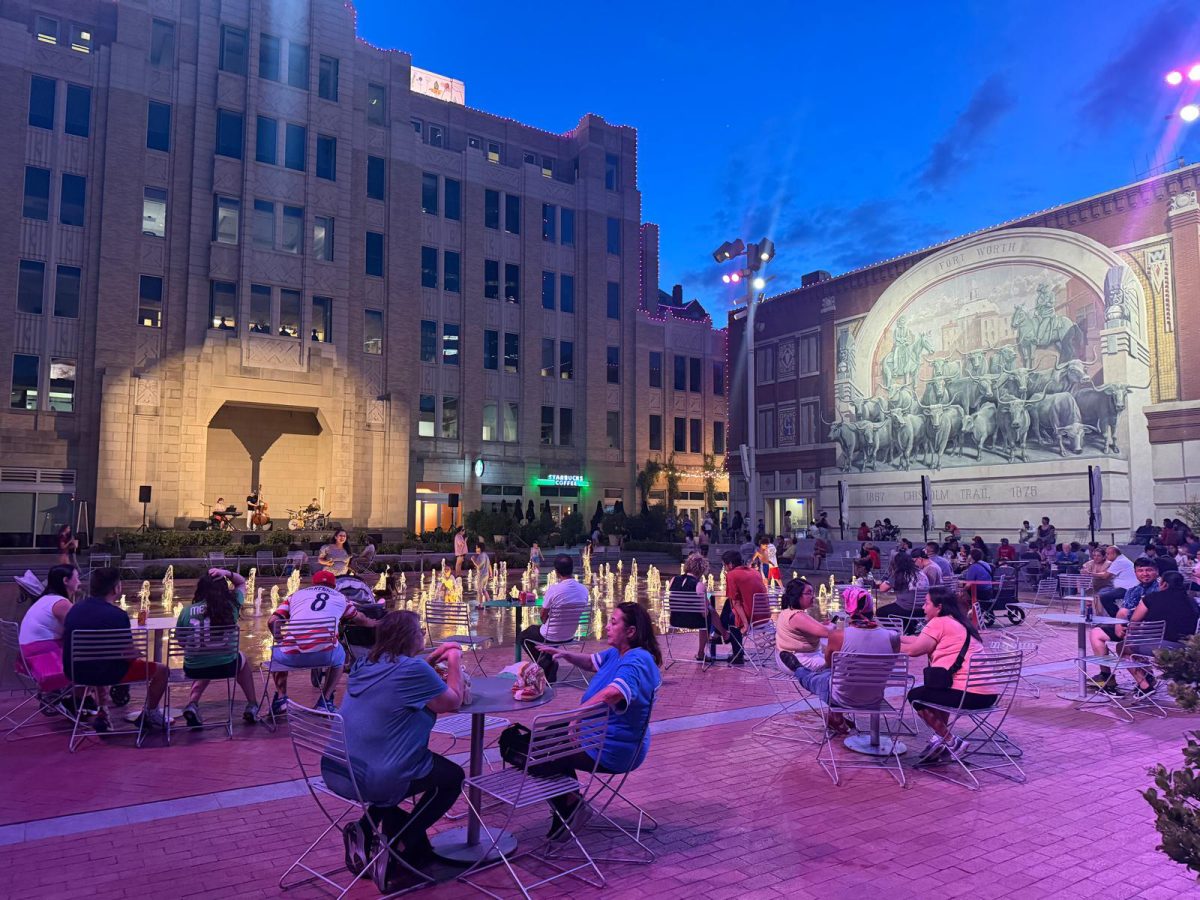
The FIFA World Cup Fan Festival in Dallas will take place at Fair Park, offering fans a free space to watch matches, enjoy live entertainment and experience the atmosphere of the tournament. On paper, this looks like a massive win. But from a fan’s perspective, the picture is more complicated.
As a lifelong football fan, I’m excited that the World Cup is coming to Dallas. As a student, I’m frustrated by how expensive it is to attend this event.
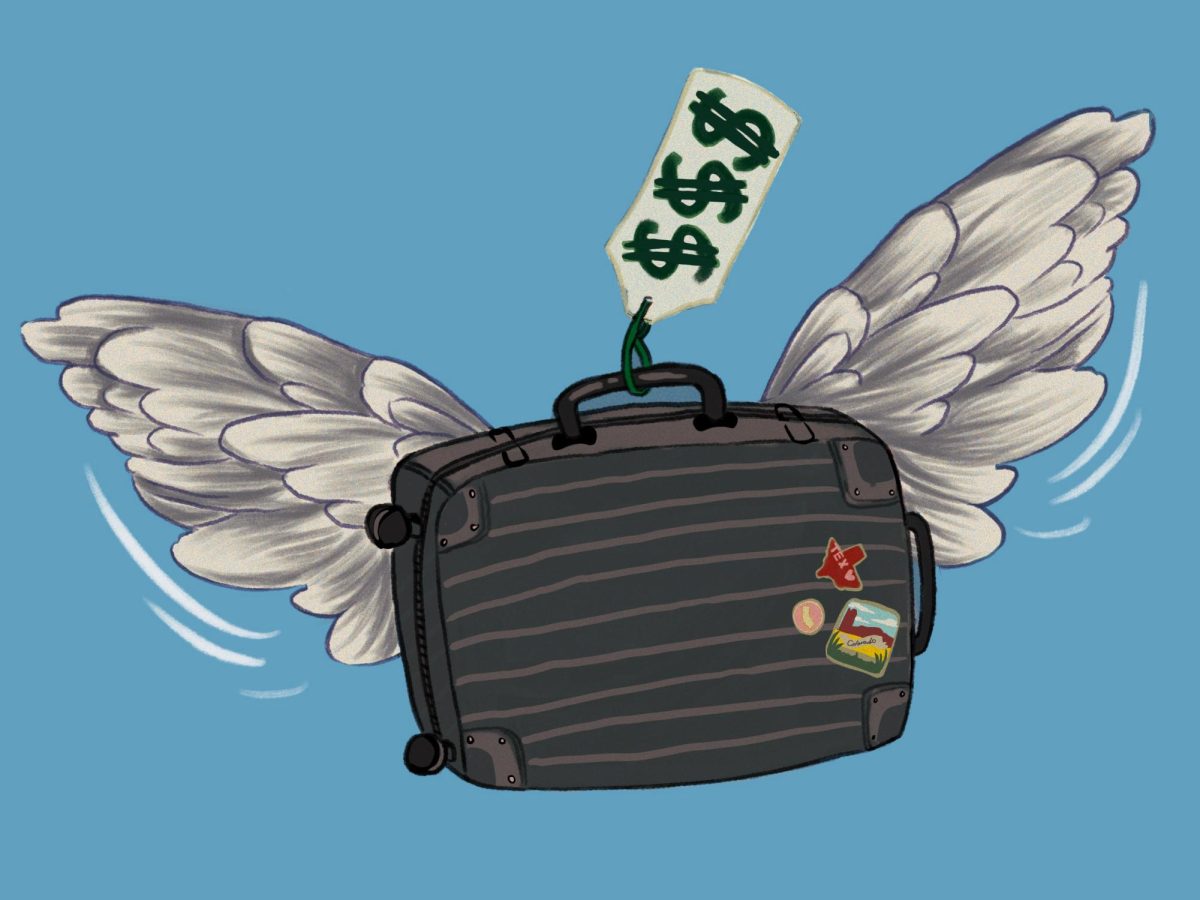
For the first time, FIFA is using dynamic (demand-based) pricing for World Cup tickets, and the published numbers already show a steep range. A limited “Supporter Entry Tier,” capped at roughly 10% of seats, starts at $60, but most standard tickets for group-stage matches fall between $140 and $700, depending on the matchup.
Prices rise sharply in the knockout rounds, with Round of 32 tickets ranging from about $200 to $790, quarterfinal seats exceeding $1,000, semifinal tickets reaching more than $3,000, and final match prices climbing as high as $8,600. For comparison, ticket prices for the 2022 World Cup in Qatar ranged from roughly $10 to $1,600 when they were announced.
Truth be told, most seats remain priced far beyond what many students, working families and longtime supporters can reasonably afford. In the United States, FIFA appears to be leaning heavily into revenue maximization. With larger stadiums, higher average incomes, and a consumer market normalized to premium-priced live events, the U.S. offers FIFA a chance to charge prices that would be unrealistic in many past host countries. The result is a World Cup that risks drifting away from the fans who built the sport’s culture in the first place.
UK Prime Minister Keir Starmer summed it up on X: “I welcome FIFA’s announcement of some lower-priced-supporters tickets. But as someone who used to save up for England tickets, I encourage FIFA to do more to make tickets more affordable so that the World Cup doesn’t lose touch with the genuine supporters who make the game so special.”
Another key question is whether host cities truly benefit financially or simply absorb the costs of hosting a FIFA-controlled event.
Across the United States, host states and cities have agreed to waive sales taxes on World Cup tickets, a condition required by FIFA. That means millions in potential revenue that would normally support public services like education, transportation, and public safety will instead be forgone. These exemptions are unusual as domestic sporting events typically generate millions in sales tax revenue for local and state governments.
At the same time, host cities are expected to cover major public costs, including security, transportation coordination, infrastructure upgrades and logistics. Several reports have estimated that these expenses can reach $100 million to $200 million per city. While FIFA projects billions in economic activity and tourism spending for the host cities, it also retains control over the largest revenue streams, such as ticket sales, sponsorships, broadcasting rights, and many in-stadium commercial activities.
Cities like Arlington and Dallas may benefit indirectly through hotels, restaurants, ride-share drivers, and temporary jobs. But they do not necessarily control the profits generated inside the stadiums themselves. Hosting nine matches brings global attention to Dallas–Fort Worth, but the structure of the World Cup leaves local communities carrying the costs while FIFA controls the rewards.