






The Winter Olympic Games are the world’s largest international sporting event during the winter season, bringing together athletes from around the globe to compete in snow-and-ice sports. Millions of people will watch the games online and on the television throughout the month of February. Host cities welcome visitors with fan zones, cultural events and other public activities.
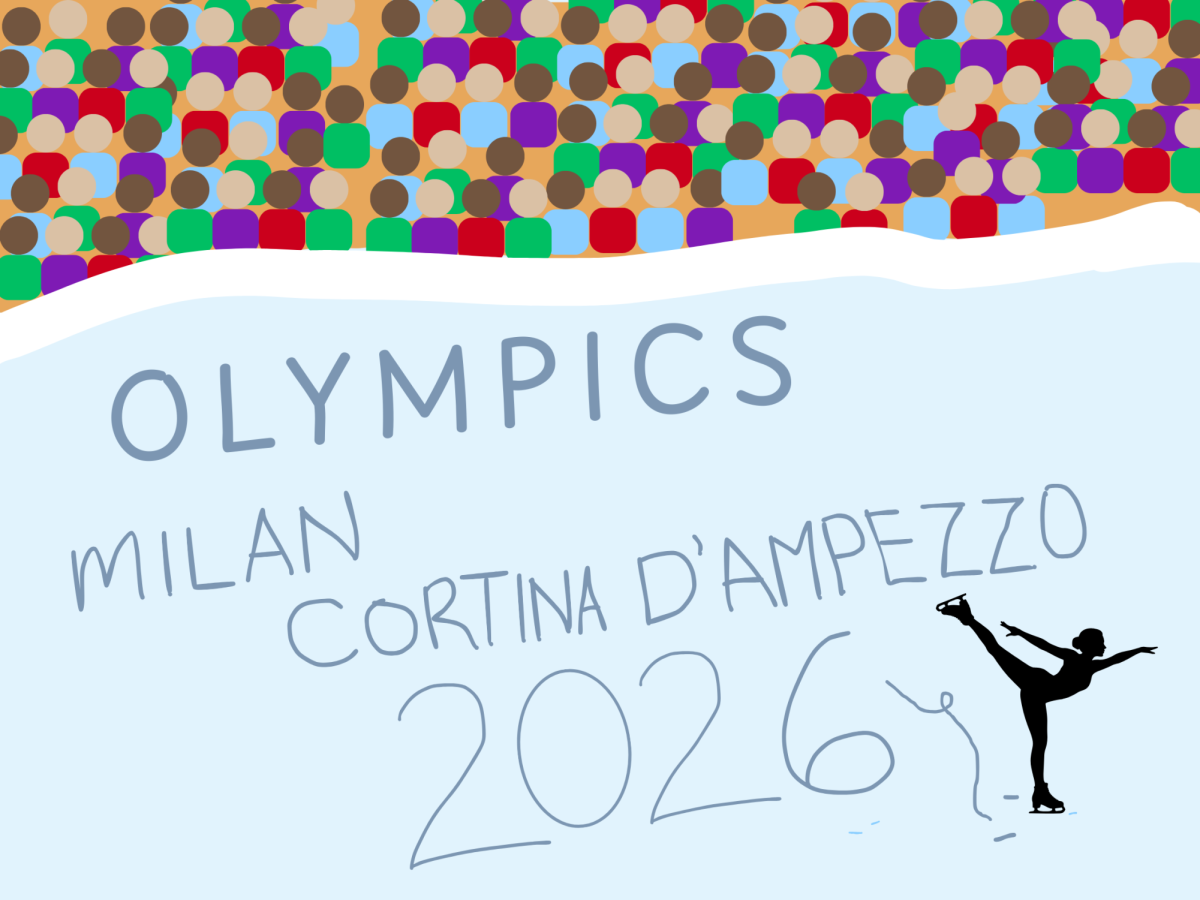
The 2026 Winter Olympics games, officially known as Milano Cortina 2026, are being held in Milan and Cortina d’Ampezzo, Italy, from Feb. 6 to 22. Events are spread across a 13,500-square-mile area of Northern Italy to promote regional sustainability.
Athletes will compete in 116 medal events across eight sports and 16 disciplines, including alpine skiing, cross-country skiing, snowboarding, freestyle skiing, ice hockey, figure skating, bobsled, skeleton, luge and speed skating. This edition also marks the Olympic debut of ski mountaineering, which features three new medal events for men and women. The Games celebrate international friendship, cultural exchange and the Olympic spirit of perseverance and excellence.
The Opening Ceremony on Feb. 6 at San Siro Stadium in Milan, titled “Harmony” (Armonia), will officially start the Games. The ceremony is inspired by the Greek concept of “bringing together” different elements. Athletes will enter in the Parade of Nations and the Olympic flame will be lit. The ceremony will feature artistic performances, with thousands attending in person and millions watching worldwide.
The primary hub for fans in Milan is the Piazza del Cannone Fan Village, located near the historic Castello Sforzesco. The zone offers interactive games, live broadcasts of events, team merchandise and photo opportunities with the official mascots, Tina and Milo. Local restaurants and cafes across both cities are offering Olympics-themed menus. In Milan, restaurants are serving a special Olympic rings pasta dish created for the event, while in Cortina, the focus is on traditional mountain specialties like casunziei ravioli.
Throughout the Games, the Cultural Olympiad adds another layer to the experience with high-profile exhibitions and performances. The Triennale Milano museum is hosting “White Out: The Future of Winter Sport,” an exhibition that explores the relationship between sports, design and innovation, with a particular focus on the impact of the ongoing climate crisis. The exhibition is organized into thematic sections that focus on disciplines, projects, equipment and technologies, with a special emphasis on sports architecture. Nearby, the Teatro Strehler serves as a venue for evening entertainment, including a special “Olympic Edition” of the surreal Slava’s Snowshow, which runs through the end of the Games.
For the athletes, the Olympics represent years of training and dedication to their sport. Each event tests skills and endurance as athletes aim for personal bests and medals, representing the Olympic spirit. Competitors across all sports have prepared for months or years to perform on the world stage and fans worldwide follow closely to see who will rise to the occasion.
The Olympics will be broadcasted internationally on major networks and locally on NBC. Festivities conclude Feb. 22 with the Closing Ceremony at the ancient Verona Arena, titled “Beauty in Action.” The ceremony marks the first time an Olympic event held at a World Heritage Site.
Beyond the competitions, the games bring together nations and communities worldwide, celebrating sport, culture and international friendship.