


















Starting July 1, the U.S. Department of Education will stop defining nursing as a “professional degree” for the purpose of federal student loan rules. This change comes from the implementation of the One Big Beautiful Bill Act, a federal law that reshapes how graduate student loans are handled and ends the Graduate PLUS loan program.
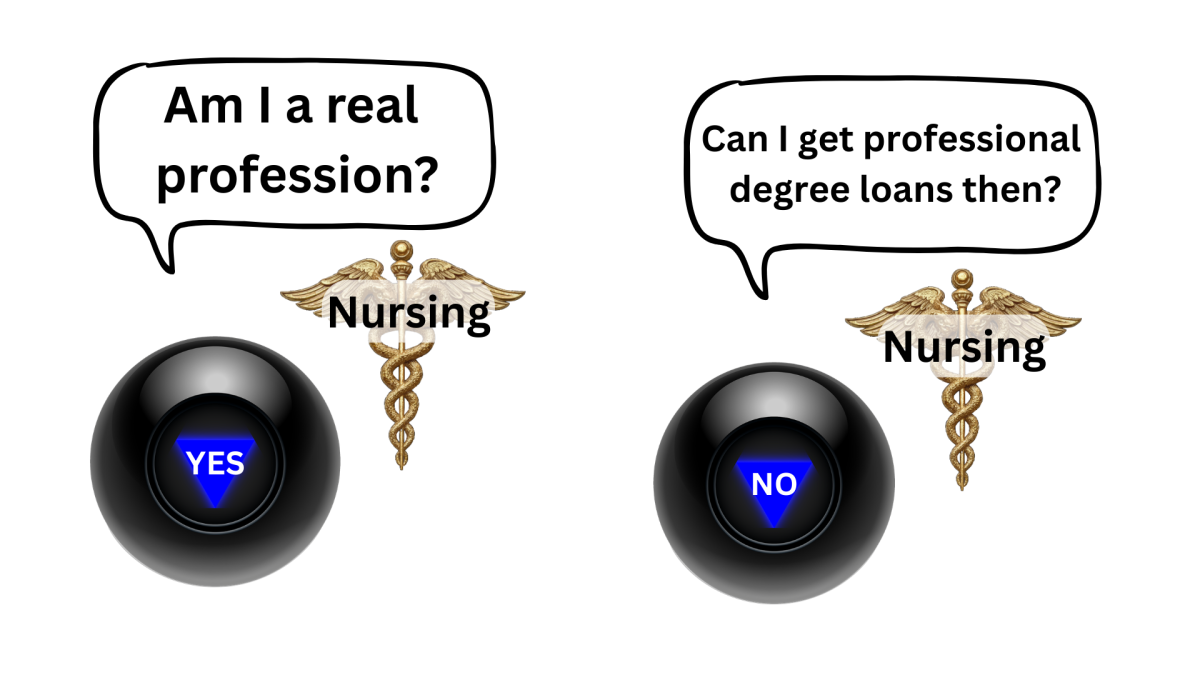
As part of updating the rules, the Department of Education narrowed the list of degrees it considers “professional” for loan purposes. That list still includes fields like medicine, dentistry, law and pharmacy, but nursing is not on it.
This shift does not affect nurses’ licenses. Registered nurses and advanced practice nurses still must complete accredited programs, pass national exams and meet state licensing requirements. It does not mean nurses are no longer professionals in the workplace.
What has changed is how the federal government classifies nursing degrees in its student aid system. Under the new rule, graduate nursing programs such as the Master of Science in Nursing or Doctor of Nursing Practice will be treated as regular graduate degrees, not “professional” degrees, when determining how much federal loan money students can borrow.
The Department of Education has said this classification is based on a narrower regulatory definition and is not intended as a judgment about the value of nursing as a profession. The agency also pointed out that it considers public comments before finalizing rules.
Earlier this year, the Department released a Notice of Proposed Rulemaking on this question. That notice opened a public comment period, giving nurses, educators, hospitals and other members of the public a limited time to submit feedback before the final rule is adopted. The public comment period closed March 2.
The practical consequence of this change is that future graduate nursing students will have access to lower federal borrowing limits than students in degrees still labeled professional. That could make it harder for some students to pay for advanced nursing education, especially if their programs are expensive or if they rely on federal loans to cover tuition and living costs.
Beyond the technical loan limits, this classification raises a larger question: Why does the federal government treat nursing differently from other licensed health professions?
Nursing is one of the largest healthcare workforces in the country. Advanced practice nurses provide primary care, manage chronic diseases, prescribe medications and serve as key providers in rural and underserved areas. Their education is rigorous and their work is critical to patient care nationwide.
Calling nursing something other than a professional degree for loan purposes may not change what nurses do every day. But it can shape what students, families and policymakers think about the field. Labels like this can influence career decisions, impact workforce and affect whether future nurses can afford advanced training.
Decades of effort have gone into raising educational standards in nursing and expanding access to graduate nursing programs. If federal policy suggests nursing is somehow less professional than other health degrees, it risks creating confusion and barriers at a time when the nation can least afford them.
As July 2026 approaches, it remains important for readers and policymakers to understand what this change means, why it matters and how it could affect the future of nursing education and the patients.