
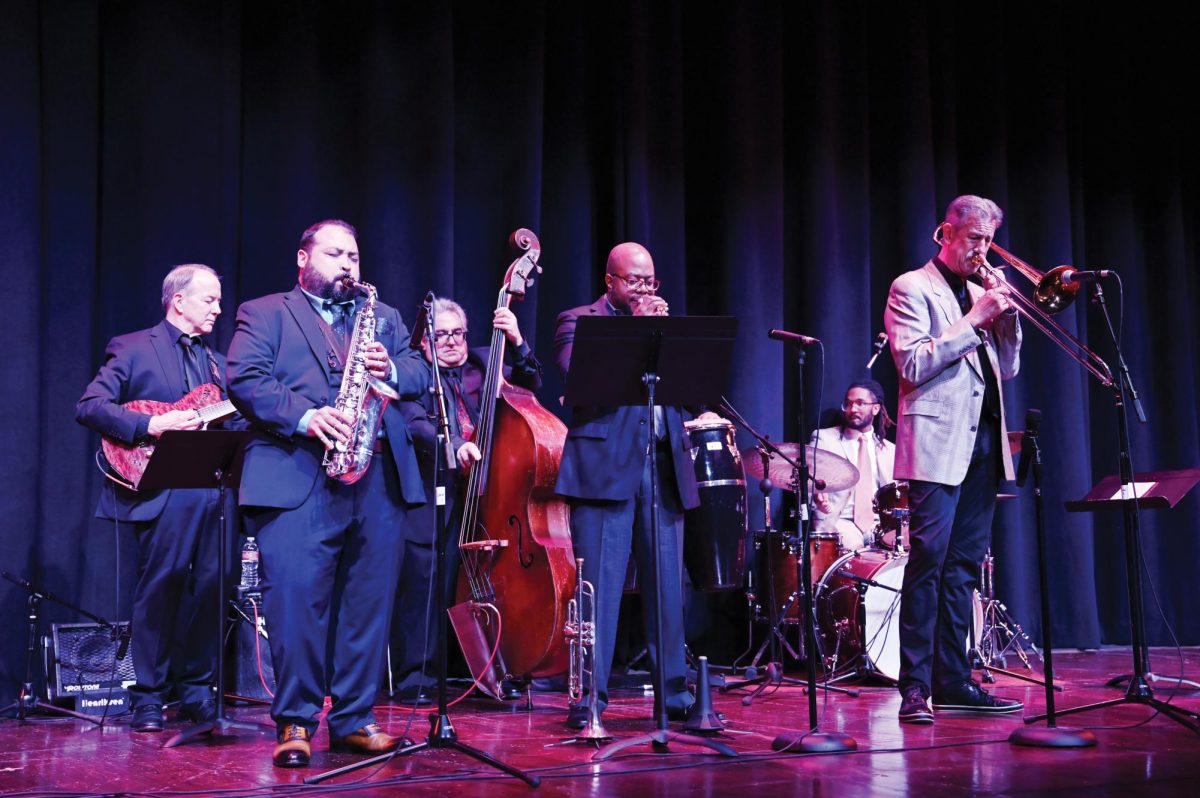
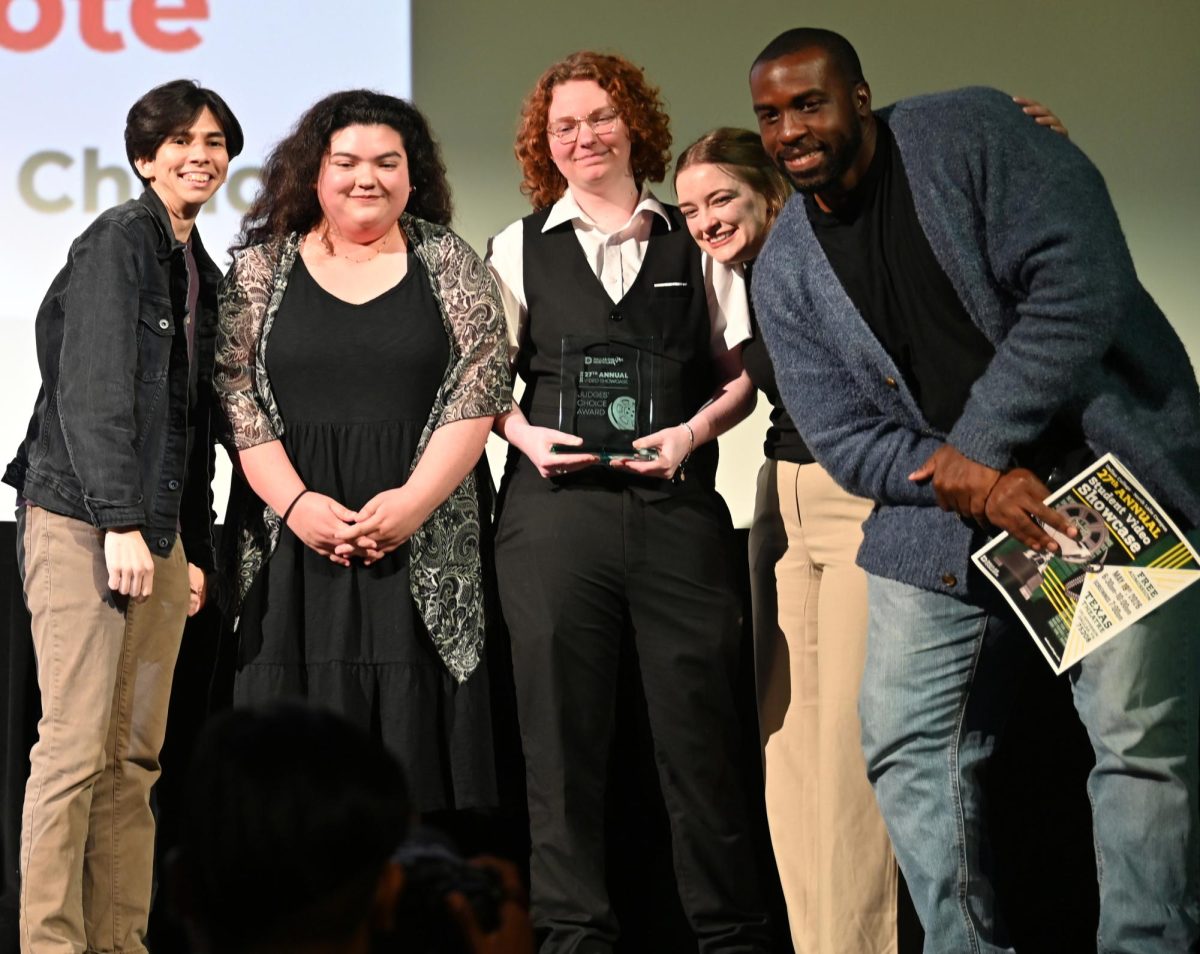
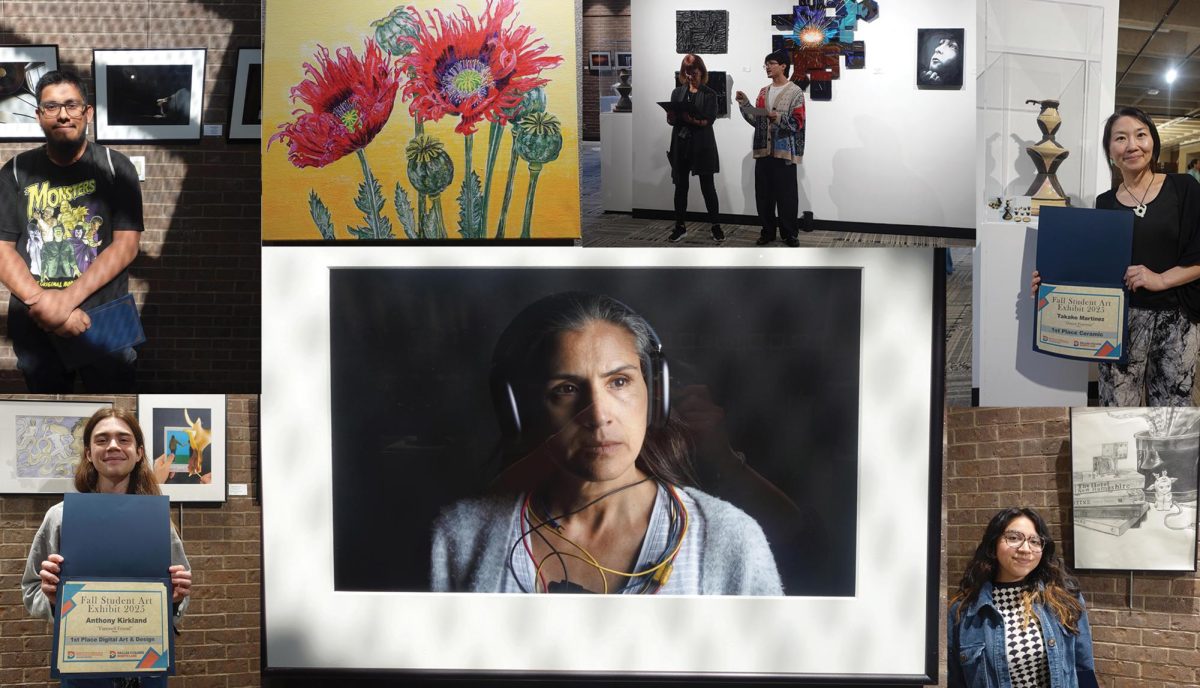
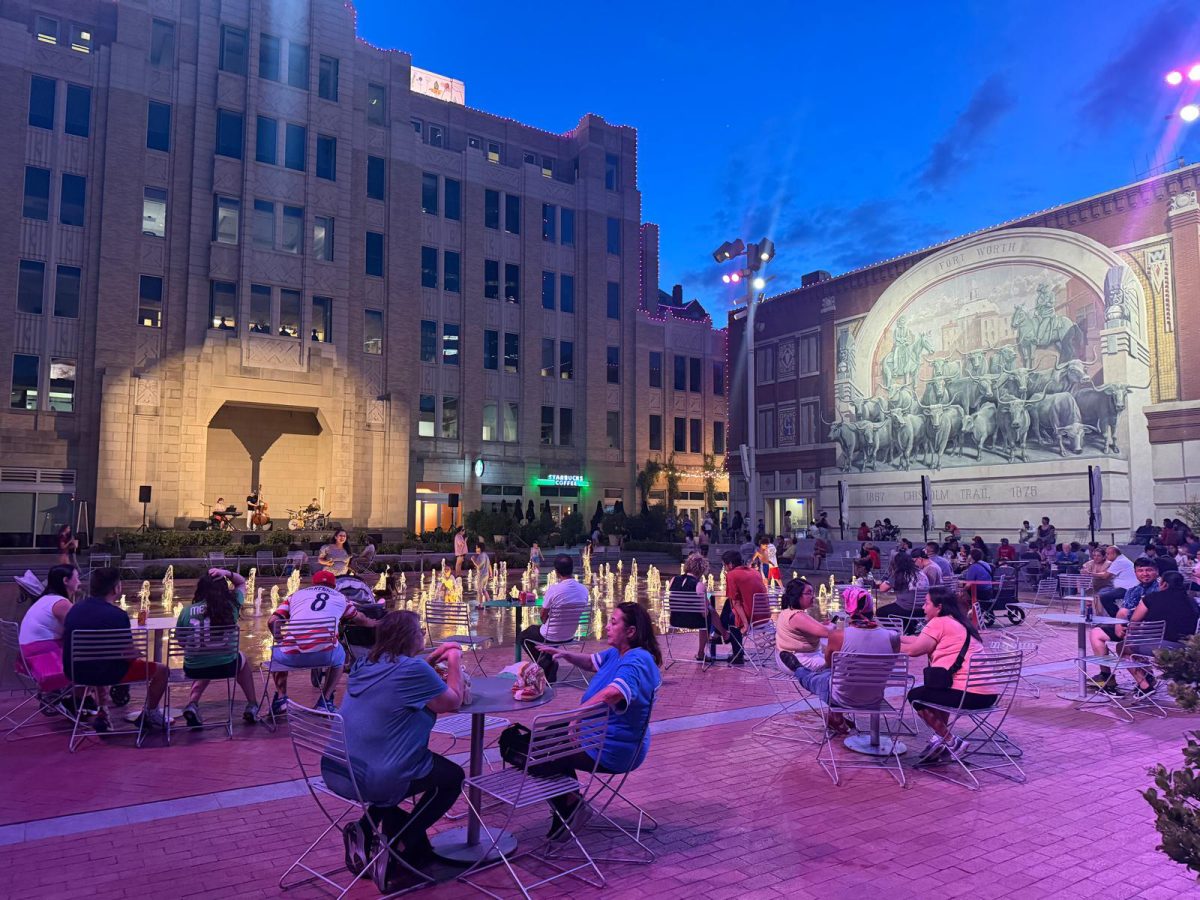




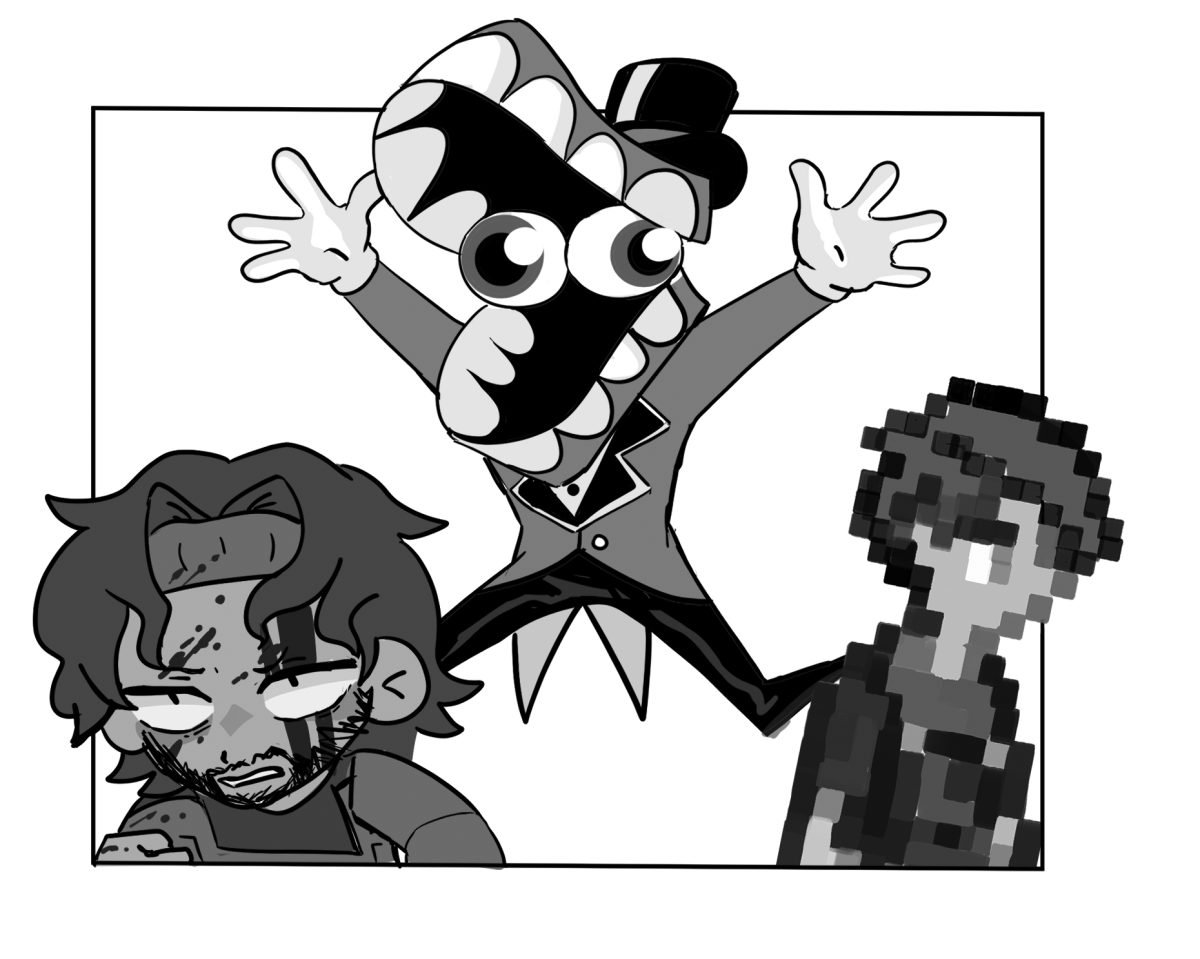


The annual Digital Art and Design Showcase brought together student work across multiple disciplines, highlighting months of technical and creative development.
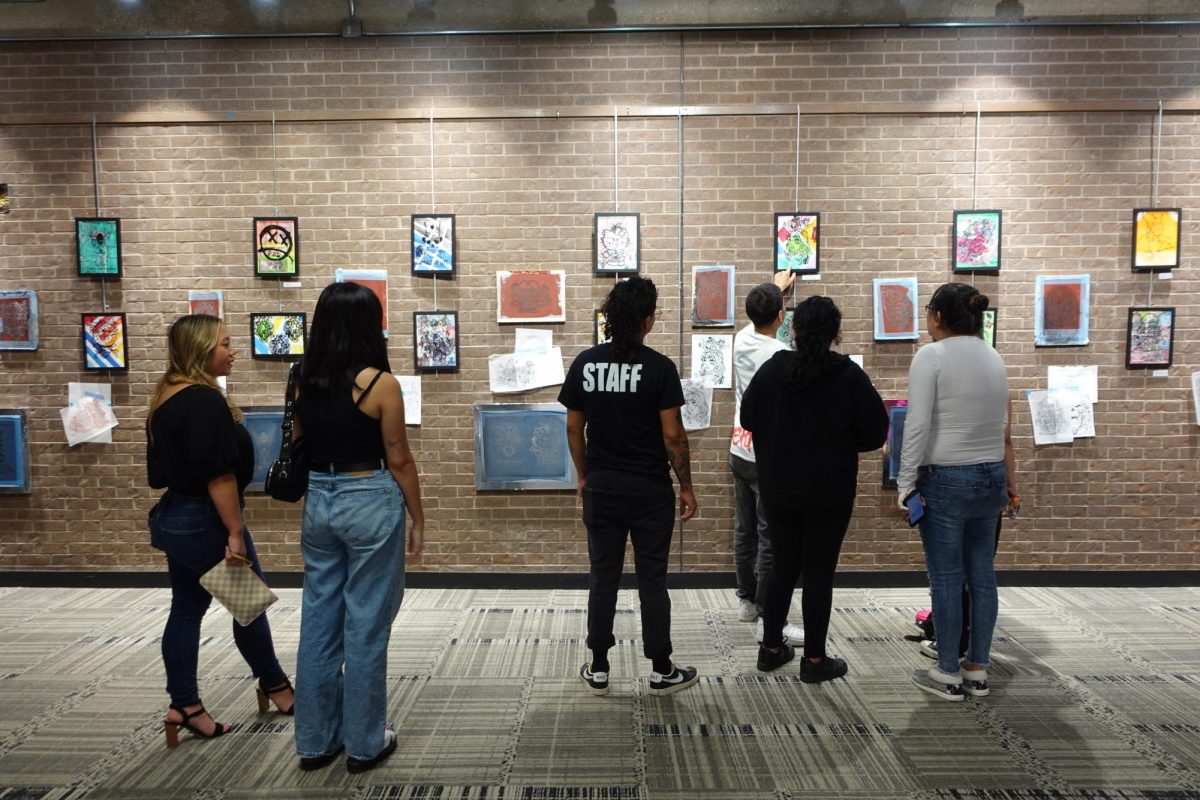
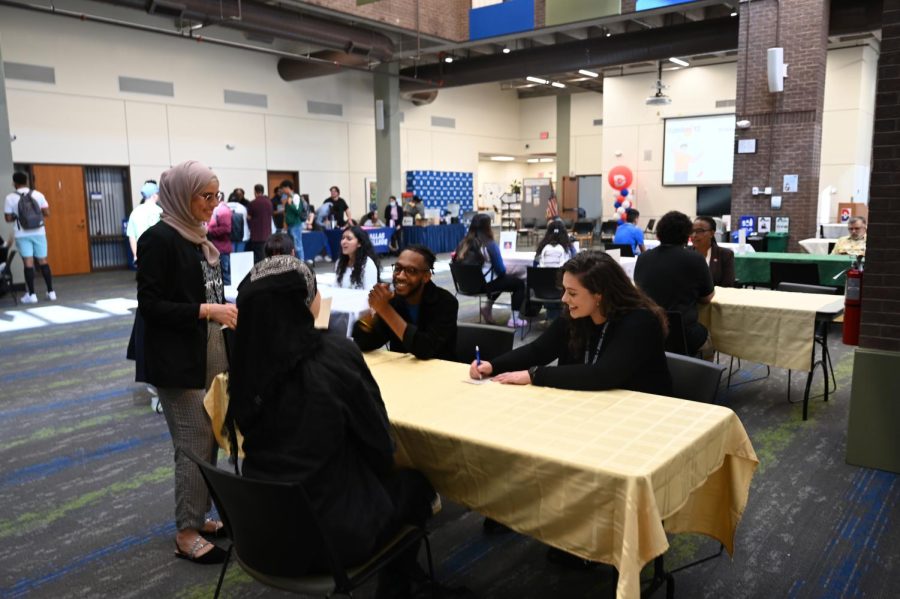
Walls were lined with student work, screens were filled with animations and interface designs, and tables were arranged to display projects.
The showcase on April 20 was the opening event for the four-night Design Week celebration of student achievement across multiple Dallas College campuses.
LaTanya Ceren, coordinator of Continuing Education and Workforce Development, described the event as a celebration of work from the School of Creative Arts, Entertainment and Design (CAED).
Acronyms were embraced enthusiastically throughout the evening; a reflection of the industry itself, where technology and terminology are constantly evolving.
Animation loops were projected across monitors. UX/ UI design, typography studies, digital photography, illustration work and video projects were arranged side-by-side, allowing visitors to move between technical precision and artistic experimentation without boundaries.

Attention was drawn toward one of the department’s newest programs: Extended Reality, more commonly referred to as XR.
The field, which combines virtual reality (VR), augmented reality (AR) and mixed reality (MR) into a single interdisciplinary practice, was introduced only recently but is already being positioned as a growing focus for Dallas College.
The program was described not only as a technical pathway but also as an emerging creative frontier.
Headsets and demonstration tools were stationed nearby, allowing geometric AR interactions to be tested.
Faculty contributions were also acknowledged. Professor Ayaz Ismail and Dan Daniels, who both teach animation, began teaching XR during the spring 2026 semester.
Their efforts are being credited with bringing the XR program together and guiding its expansion.
Software can become outdated quickly and industry expectations continue to shift with each development cycle. For that reason, Dallas College’s instructional philosophy was framed around adaptability.
As Ceren explained, “We teach skills, not necessarily software,” emphasizing that “software comes and goes,” while foundational understanding allows students to adapt across evolving tools and platforms.
As the evening continued, visitors skimmed through the room, pausing to look at the artwork, ask questions and witness student demonstrations. Conversations blended with projector hum and keyboard clicks, creating an atmosphere that felt equal parts classroom, gallery and laboratory.
North Lake Campus Professor Dane Sigua’s work with animation students was represented as part of the growing presence of motion-based media within Design Week.
Under his instruction, students learned 2D and 3D animation, modeling, film editing and visual effects. Student projects were displayed among the broader exhibition, contributing to the diversity of the event.
This is the second year the animation showcase has taken place and it has been described as an important moment of exposure. “It’s great for students to see their project with other people’s reactions,” Sigua noted.
The shift from classroom critique to public viewing was identified as a key experience for students, many of whom had grown accustomed to feedback from instructors and close circles.
“They’re sick of me reacting to it,” Sigua joked, explaining that broader audience engagement had more powerful reflection for the students and gives them confidence.
The value of the event extended beyond exhibition. Opportunities for networking were emphasized, as students from different campuses and disciplines were brought into the same space.
“This is their chance to meet other students [who] are not part of their class,” said Sigua, noting that collaboration and shared interests often begin in these informal settings.
The number of student participants in the exhibition also increased. Compared to earlier years, more student work was featured and more attendees showed up to watch the animation reels and visual presentations.
Design Week was structured as a multi-day event, showcasing a different campus across Dallas College. Monday was reserved for digital arts and design, where courses such as animation, visual design and digital imaging were highlighted.
Other days were allocated to different programs, such as fashion, architecture and culinary arts.
At Dallas College, Design Week was not only used to display finished work but was also shaped into a space where process, feedback and future direction can be observed in real time.
The animation showcase is also posted by Professor Sigua on his YouTube page.
https://www.youtube.com/ watch?v=k_Ipbu4nX2Q